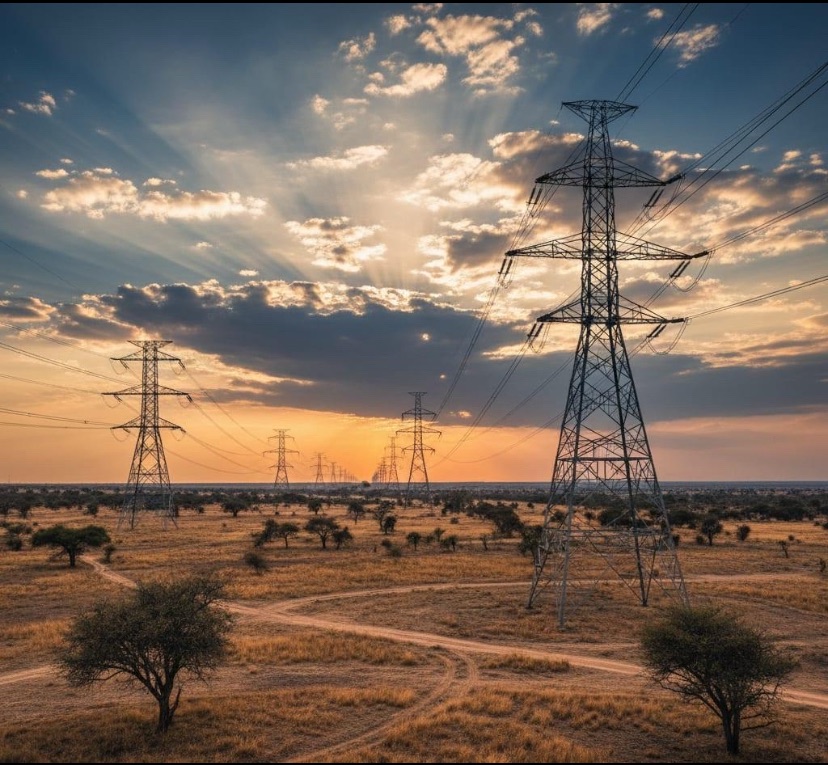

Africa’s ambitious drive to provide electricity to 300 million people by 2030 has received a major financial boost, with international development partners committing about $1.4 billion to support the Mission 300 initiative.
According to the latest Mission 300 Progress Report, the funding highlights growing confidence from global investors and development institutions in Africa’s largest electricity access programme. Since its launch in 2024 by the World Bank and the African Development Bank (AfDB), the initiative has attracted significant support aimed at improving energy access across the continent.
The report revealed that the European Investment Bank (EIB) is currently the biggest external contributor, providing $347 million, which represents nearly one-quarter of the total co-financing secured so far.
The African Development Bank has committed $161 million, while the Green Climate Fund has provided $129 million. Other key supporters include the Government of Italy with $117 million, the Asian Infrastructure Investment Bank with $100 million, Trust Funds contributing $84 million, the French Agency for Development with $82 million, and the Energy Sector Management Assistance Program with $77 million. The OPEC Fund and the European Commission also contributed $60 million and $54 million, respectively.
The report explained that these figures cover co-financing for World Bank projects and do not include the African Development Bank’s separate direct investments under Mission 300.
Mission 300 was created to address Africa’s long-standing electricity shortage by connecting 300 million people to reliable power before the end of this decade. The programme is considered the largest coordinated effort to tackle energy poverty in Africa, where nearly 80 percent of the world’s population without electricity lives.
Funding for the wider energy sector has also continued to grow. During the 2024 fiscal year, total financing reached $4.6 billion, including $2.8 billion for electricity access projects, $1.8 billion for other energy investments, and around $200 million in co-financing.
In 2025, total commitments stood at $4 billion, while current commitments for 2026 have already reached $1.5 billion, with most of the funds directed toward expanding electricity access and strengthening energy infrastructure.
The report also highlighted that more than 50 million people have already gained access to electricity through the programme since it began.
To speed up progress, the World Bank and the African Development Bank are preparing to approve more projects across Africa this year. One of the planned investments is a $59 million mini-grid project in Eritrea, one of the continent’s least electrified nations.
World Bank Managing Director of Operations, Anna Bjerde, said reforms introduced by participating countries are beginning to deliver positive results. She stressed that governments must continue improving policies to encourage private investment, noting that investors prefer stable and predictable business environments.
According to her, 36 African countries have already developed electricity access plans under Mission 300, with the number expected to rise beyond 40 countries before the end of the year.
The African Development Bank’s Vice-President for Power, Energy, Climate and Green Growth, Kevin Kariuki, said the bank expects its projects to provide electricity to as many as 15 million people this year.
The programme is also expanding support for off-grid electricity solutions, particularly in remote communities where connecting to the national grid is difficult. A $176 million investment platform called Zafiri is expected to begin investing in companies providing off-grid power services later this year.
In addition, both institutions are working to strengthen regional electricity markets by connecting power systems across African countries. Improved cross-border electricity trading is expected to reduce energy costs and improve supply by allowing countries with surplus electricity to support those facing shortages.
For Nigeria and many other African nations struggling with unreliable electricity, Mission 300 offers a significant opportunity to improve power supply, encourage industrial development, create jobs, and support long-term economic growth.
The latest funding commitments also demonstrate increasing confidence that Africa’s electricity challenges can be overcome through stronger government reforms, increased public investment, and greater private-sector participation.