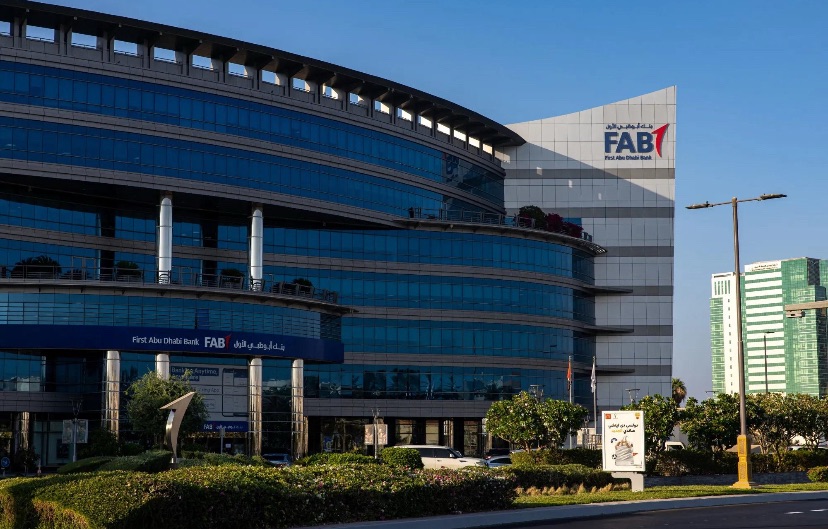

The Federal Government of Nigeria has received the first $1.5 billion from a $5 billion financing agreement arranged with First Abu Dhabi Bank (FAB), the largest bank in the United Arab Emirates. The funding is the first portion of a larger financial package approved by the National Assembly in March 2026.
The money is expected to help the government implement the 2026 budget, finance major infrastructure projects, and refinance some of its existing debts. Officials believe the facility will also improve the country’s access to foreign exchange at a time when borrowing from international markets has become more expensive.
Unlike traditional loans or Eurobonds, the financing was arranged through a financial instrument known as a Total Return Swap (TRS). Under this arrangement, Nigeria provides government securities as collateral while receiving dollar funding from the lender.
To secure the facility, the Federal Government is required to pledge government bonds worth about 133 percent of the amount it borrows. This means that if Nigeria eventually draws the full $5 billion, it will have to provide approximately $6.65 billion worth of naira-denominated government bonds as security.
In exchange, First Abu Dhabi Bank supplies the government with dollar liquidity. Nigeria will pay interest based on a floating benchmark rate plus an additional margin, while the bank earns returns from the pledged government securities.
The arrangement allows Nigeria to obtain foreign currency without issuing new Eurobonds, which have become costly because of high global interest rates. Government officials see the deal as a way to reduce financing costs while meeting urgent funding needs.
However, the transaction has sparked concerns among international financial institutions and credit rating agencies.
The International Monetary Fund (IMF) recently warned that derivative financing arrangements such as Total Return Swaps are often difficult for investors to monitor because they are less transparent than conventional loans. According to the IMF, these deals can make it harder to determine the true size of a country’s financial obligations.
Similarly, Fitch Ratings cautioned that Nigeria’s $5 billion financing arrangement could increase risks associated with public debt management. The agency noted that such transactions may create hidden liabilities that are not always reflected in official debt figures.
Fitch also warned that if the value of the government bonds pledged as collateral falls sharply due to currency depreciation or market volatility, Nigeria could be required to provide additional collateral. Such a situation could place further pressure on the country’s already stretched finances.
Despite these concerns, the deal offers immediate financial relief by boosting Nigeria’s foreign exchange reserves and providing funding for ongoing government projects. The government also has room to access the remaining $3.5 billion under the approved facility if needed.
Experts say the success of the financing arrangement will depend on how effectively the government manages the associated risks and maintains transparency with investors and the public.
Nigeria’s decision reflects a growing trend among African countries seeking alternative financing options as borrowing costs remain high globally. Nations such as Senegal and Angola have also explored similar financing structures to access foreign currency without relying solely on traditional debt markets.
The latest funding comes as Nigeria continues to face revenue challenges, rising debt-servicing costs, and persistent foreign exchange pressures. Official figures show that public debt stood at approximately $110.3 billion (about ₦159.2 trillion) as of December 31, 2025.
While the new facility provides short-term financial support, economists believe careful debt management and greater transparency will be essential to ensure that the arrangement does not create additional financial burdens in the future.