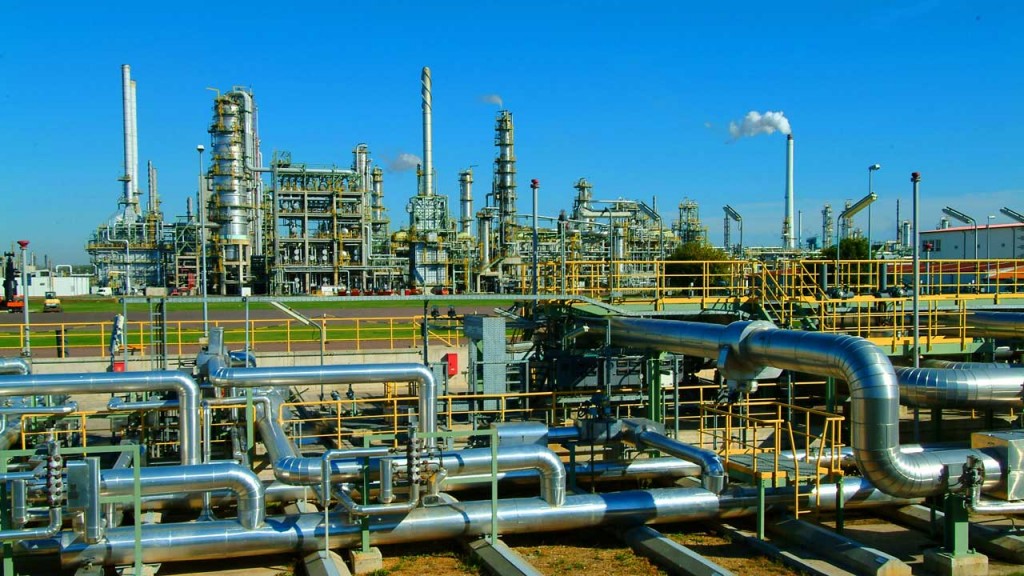

The Dangote Refinery has reduced the ex-depot price of aviation fuel, commonly known as Jet A1, to N1,450 per litre, marking another strategic pricing adjustment by Africa’s largest refinery as it seeks to strengthen its position in Nigeria’s downstream petroleum market.
The latest price cut comes at a time when airlines continue to grapple with elevated operating expenses, foreign exchange volatility, and rising maintenance costs. Aviation fuel remains one of the largest cost components for carriers, often accounting for between 30% and 40% of total operating expenditure.
Industry analysts say the reduction could provide modest relief to domestic airlines that have faced mounting pressure from high fuel prices over the past two years. Lower fuel costs could improve operating margins, enhance route profitability, and potentially reduce pressure for further increases in airfares, although the extent of any passenger benefit will depend on broader market conditions.
The move underscores Dangote Refinery’s growing influence in Nigeria’s energy sector. Since commencing petroleum product distribution, the refinery has repeatedly adjusted prices across various fuel categories in response to crude oil movements, market competition, logistics costs, and supply dynamics.
Market participants note that increased local refining capacity has begun to alter the structure of Nigeria’s fuel supply chain. Historically, a significant portion of aviation fuel consumed in the country was imported, exposing operators to foreign exchange risks, shipping costs, and global supply disruptions. Greater domestic production could help reduce these vulnerabilities while improving product availability.
For airlines, the immediate impact will be closely watched. Several operators have consistently identified fuel costs as a major challenge affecting fleet utilization and profitability. A sustained decline in Jet A1 prices could support industry recovery efforts and encourage expansion of domestic and regional flight operations.
The price adjustment also reflects intensifying competition within Nigeria’s petroleum products market. As refiners and marketers compete for market share, consumers and industrial users stand to benefit from more competitive pricing and improved supply reliability.
Beyond aviation, the development highlights the broader economic significance of the Dangote Refinery project. The facility has become a critical component of Nigeria’s energy transition strategy, reducing dependence on imported refined products and supporting the government’s objective of strengthening energy security.
Looking ahead, market observers will monitor whether additional price reductions emerge if global crude oil prices remain stable or decline further. Any sustained easing of fuel costs could have positive spillover effects across the aviation value chain, supporting business travel, tourism, cargo operations, and broader economic activity.
While airlines are unlikely to immediately pass the full benefit of lower fuel prices to passengers, the reduction represents a positive signal for an industry seeking greater cost stability in an increasingly competitive operating environment.