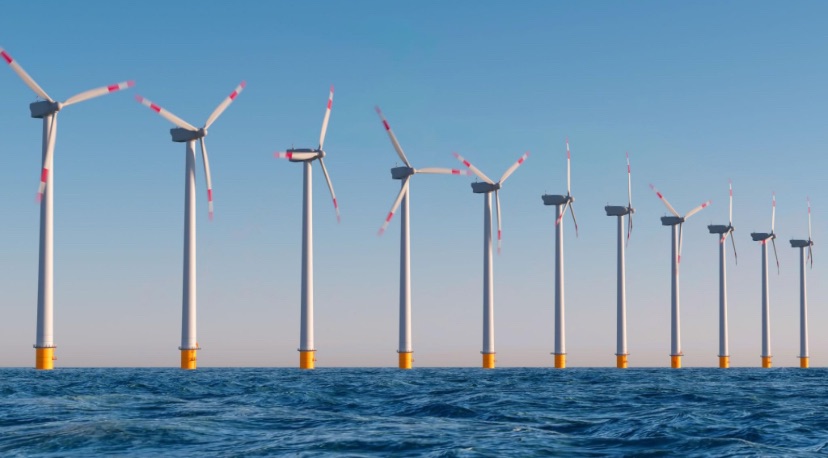

The global energy industry is witnessing a major transformation as investments in clean energy continue to outpace spending on fossil fuels, according to the latest report from the International Energy Agency (IEA).
In its World Energy Investment 2026 report, the IEA revealed that global energy investments are expected to reach $3.4 trillion this year. Out of this amount, approximately $2.2 trillion will be directed toward clean energy projects, while $1.2 trillion will be invested in fossil fuels such as oil, gas, and coal.
The figures highlight a significant shift in how governments, businesses, and investors view the future of energy. Despite political challenges and debates surrounding climate policies in some regions, investments in renewable energy technologies continue to rise rapidly across the world.
Experts believe the growing interest in clean energy is being driven largely by concerns about energy security. Countries are increasingly looking for reliable and affordable energy sources that can reduce their dependence on imported fossil fuels and protect them from global supply disruptions.
For decades, oil, gas, and coal were considered the backbone of energy security. However, recent geopolitical conflicts have exposed the vulnerabilities of relying heavily on fossil fuel supply chains. The ongoing effects of Russia’s invasion of Ukraine, along with other international tensions affecting energy markets, have led to sharp price fluctuations and supply uncertainties.
These developments have strengthened the appeal of renewable energy sources such as solar and wind power. Unlike fossil fuels, renewable energy resources are produced locally and are less vulnerable to international political conflicts or trade restrictions.
Industry leaders argue that renewable energy offers countries greater independence and stability. Since sunlight and wind are naturally available resources, nations can generate electricity domestically without worrying about fuel imports or supply interruptions caused by foreign conflicts.
The financial benefits are also becoming increasingly clear. According to the IEA, clean energy technologies and energy-efficiency measures helped the world’s five largest fuel-importing regions avoid spending about $260 billion on fossil fuel imports in 2025. These savings have further strengthened the case for accelerating the global energy transition.
Another major factor driving investment is the rapid growth of artificial intelligence (AI) and digital infrastructure. The expansion of AI-powered technologies and data centers is significantly increasing global electricity demand.
Recent United Nations research indicates that energy and water consumption by data centers could double before the end of this decade. As a result, governments and businesses are racing to build additional power generation capacity to meet future demand.
Renewable energy is emerging as one of the fastest and most cost-effective solutions. In the United States, electricity consumption by AI-related data centers is projected to triple by 2035 compared to 2024 levels. This trend is encouraging further investments in solar, wind, battery storage, and other clean energy technologies.
Developing economies are also playing an important role in this growth. Many countries across Africa, Asia, and Latin America are investing heavily in renewable energy because costs have fallen dramatically in recent years, making clean power more accessible and competitive.
While fossil fuel industries continue to receive substantial government support and subsidies worldwide, the overall investment trend clearly favors renewable energy. The latest figures suggest that the global energy landscape is gradually moving away from the traditional petroleum era and toward a future powered largely by electricity generated from clean sources.
As investment continues to flow into renewable technologies, the energy transition appears to be gaining momentum, reshaping the future of global energy production and consumption.