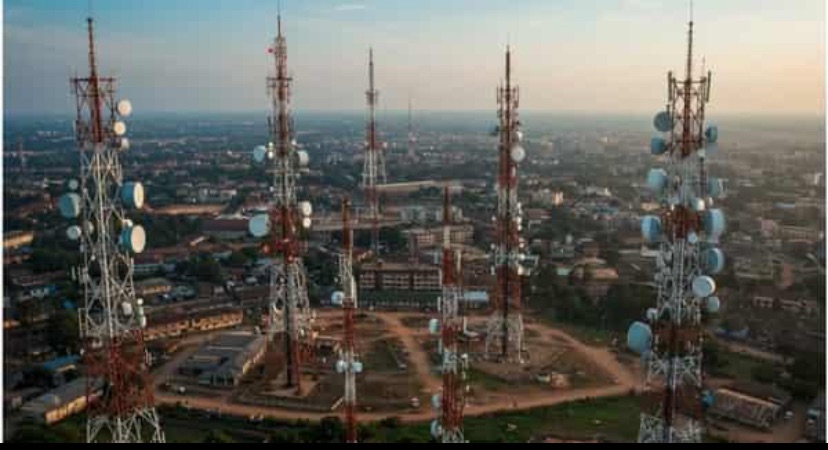

The International Monetary Fund (IMF) has advised Nigeria to consider increasing its Value Added Tax (VAT) rate and introducing excise duties on telecommunications services as part of broader efforts to improve government revenue and create more funds for development projects and social programmes.
The recommendation was contained in the IMF’s 2026 Article IV Consultation Report on Nigeria, which assessed the country’s economic performance and fiscal outlook. According to the Fund, while recent tax reforms introduced by the government are expected to improve revenue collection over time, additional measures may be needed to meet Nigeria’s growing spending requirements.
The IMF noted that Nigeria continues to face challenges with revenue generation, especially when compared to the size of its economy. Despite efforts to improve tax administration and increase efficiency in revenue collection, the country’s revenue-to-GDP ratio remains among the lowest globally. At the same time, spending demands are increasing due to infrastructure needs, social welfare programmes, and economic development priorities.
To address this challenge, the IMF suggested several policy options. These include raising the VAT rate, extending VAT coverage to petroleum products, reducing certain tax exemptions, particularly in the extractive industries, reviewing some customs duty waivers, and introducing excise taxes on telecommunications services.
According to the Fund, these measures would help complement ongoing administrative reforms and provide the government with additional resources needed to finance critical projects and services.
The report acknowledged that some of the recently implemented tax reforms could reduce government revenue in the short term before delivering long-term benefits. As a result, the IMF believes Nigeria may need additional revenue sources to maintain its development agenda and support higher levels of public investment.
The organisation stressed that continued revenue mobilisation is crucial if the government intends to sustain increased capital expenditure and expand social intervention programmes designed to support vulnerable citizens affected by ongoing economic reforms.
However, the IMF also cautioned against introducing new taxes without considering the economic realities facing many Nigerians. The Fund expressed concern over rising poverty levels and food insecurity across the country, warning that additional taxes could place further pressure on households already struggling with the high cost of living.
To reduce the impact on low-income families, the IMF recommended that any future tax increases should be accompanied by a well-funded and effective cash transfer programme. Such a system, it said, would help cushion vulnerable groups from the economic effects of higher taxes and rising prices.
The report highlighted that poverty and food insecurity remain major concerns in Nigeria. It estimated that poverty affected about 63 per cent of the population, while approximately 27 million people experienced food insecurity in 2025. The Fund warned that these conditions could worsen due to higher global food and fuel prices.
In addition, the IMF reiterated its recommendation for Nigeria to maintain a neutral fiscal stance in 2026. It cautioned that rising spending pressures linked to poverty reduction efforts, food security concerns, and preparations for the 2027 general elections could widen the country’s fiscal deficit if not carefully managed.
Overall, the IMF believes that strengthening revenue generation while protecting vulnerable citizens will be key to achieving sustainable economic growth and maintaining fiscal stability in the years ahead.