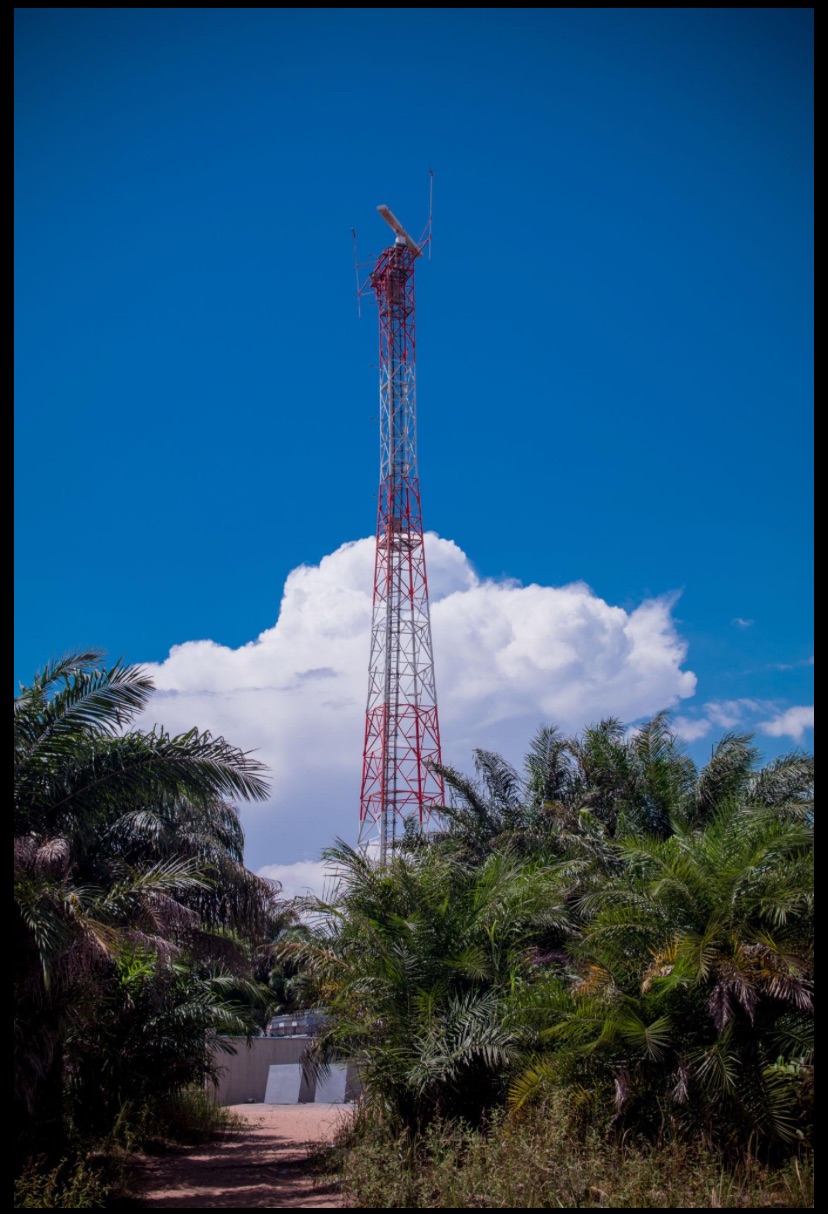

Nigeria’s telecommunications infrastructure companies have upgraded equipment at more than 2,000 base stations across the country as part of efforts to improve network quality, expand coverage, and meet the growing demand for digital services.
The upgrade was disclosed by the Nigerian Communications Commission (NCC) following its 109th board meeting. According to the regulator, the development forms part of wider investments being made across the telecom industry to strengthen network performance and improve customer experience.
Infrastructure-sharing companies, commonly known as tower companies, play a major role in Nigeria’s telecom ecosystem. These firms own, operate, and maintain telecom towers, base stations, and other network facilities that mobile operators lease instead of building independently. This arrangement helps reduce costs, avoid duplication of infrastructure, and accelerate network expansion across the country.
Major infrastructure providers in Nigeria include IHS Towers, American Tower Corporation, and Pan African Towers. These companies support leading telecom operators such as MTN Nigeria, Airtel Nigeria, and Globacom by providing shared infrastructure and managing network sites nationwide.
According to the NCC, the infrastructure companies have continued to invest heavily in upgrading facilities, deploying new equipment across more than 2,000 Base Transceiver Stations (BTS). The upgrades are expected to support operators’ expansion plans while helping them meet quality-of-service requirements set by the regulator.
The telecom sector is also preparing for significant spending this year. Industry players are expected to invest approximately N1.86 trillion in 2026 after recording a combined capital expenditure of N2.13 trillion in 2025. The investments involve mobile network operators, tower companies, and other stakeholders working to improve connectivity nationwide.
The regulator noted that infrastructure sharing remains one of the most effective strategies for expanding telecom services while keeping costs under control. As demand for internet services continues to rise, operators are increasingly relying on shared infrastructure to increase network capacity and improve service delivery.
The NCC further revealed that mobile network operators have plans to deploy more than 12,000 additional coverage and capacity sites across the country. So far, over 5,000 of these sites have already been completed, representing more than 40 percent of the planned rollout.
Beyond new base stations, operators are also strengthening transmission networks. The commission stated that fibre connectivity has now been extended to over 700 sites, helping to improve network resilience, increase backhaul capacity, and enhance service reliability.
These investments come at a crucial time for Nigeria’s telecom sector, which has been facing increasing pressure from rapid growth in data consumption. The industry has also struggled with challenges such as frequent fibre cable cuts, infrastructure vandalism, and persistent complaints from subscribers about service quality.
Despite these challenges, mobile networks remain the primary source of internet access for millions of Nigerians. The latest upgrades and planned investments are expected to support the country’s digital transformation goals by providing faster, more reliable, and wider-reaching connectivity.
The NCC emphasized that continued investment in both mobile and fixed infrastructure will be essential for improving service quality, expanding digital access, and supporting the growth of Nigeria’s digital economy in the years ahead.