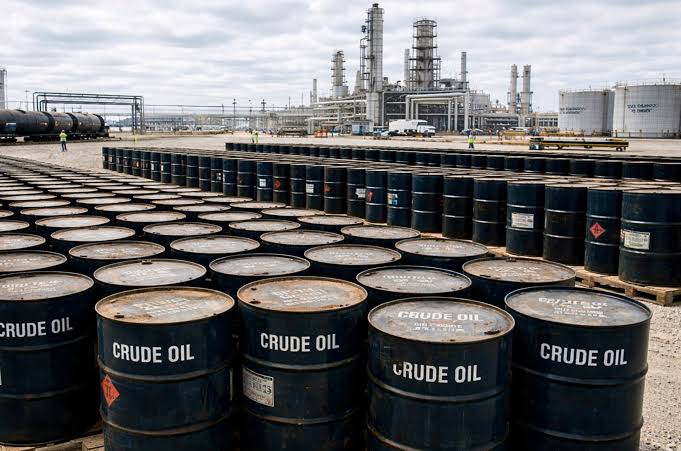

Nigeria’s oil industry has received a significant boost following the addition of new crude streams that have collectively contributed approximately 12 million barrels to the country’s production output, reinforcing efforts to increase exports, improve revenue generation, and strengthen the nation’s position in global energy markets.
The development comes as Africa’s largest oil producer seeks to maximize production capacity and capitalize on stronger global demand for crude oil. Industry stakeholders say the introduction of additional crude streams reflects growing investment in upstream operations and demonstrates renewed confidence in Nigeria’s hydrocarbon sector after years of production disruptions caused by pipeline vandalism, oil theft, and underinvestment.
The new streams are expected to enhance Nigeria’s export portfolio by offering buyers a wider range of crude grades. This diversification could improve the country’s competitiveness in key international markets, particularly in Europe and Asia, where refiners increasingly seek crude blends tailored to specific processing requirements.
Energy analysts note that higher production volumes could provide a meaningful boost to government revenues at a time when Nigeria continues to grapple with fiscal pressures, foreign exchange shortages, and rising infrastructure spending needs. Crude oil remains the backbone of the country’s export earnings and a major source of public revenue despite ongoing efforts to diversify the economy.
The additional output also aligns with broader national objectives to increase production efficiency and attract fresh capital into exploration and development activities. Industry executives argue that stable production growth will be critical for sustaining investor confidence and supporting future project approvals across the upstream sector.
Market observers say the increase in available crude supplies could strengthen Nigeria’s ability to meet international supply commitments while enhancing its influence within global energy markets. Improved output levels may also help the country maintain compliance targets and production ambitions as policymakers continue to balance revenue objectives with long-term energy transition considerations.
Beyond immediate economic gains, the emergence of new crude streams underscores the importance of continued investment in field development, infrastructure upgrades, and security measures across oil-producing regions. Experts warn that sustaining production growth will require ongoing efforts to curb crude theft, modernize transportation networks, and create a more predictable regulatory environment for investors.
With global energy markets closely monitoring supply dynamics, the latest increase in Nigeria’s crude output represents a positive signal for both domestic stakeholders and international buyers. If sustained, the additional 12 million barrels could contribute to stronger export earnings, improved fiscal stability, and greater resilience within Nigeria’s energy sector over the coming years.