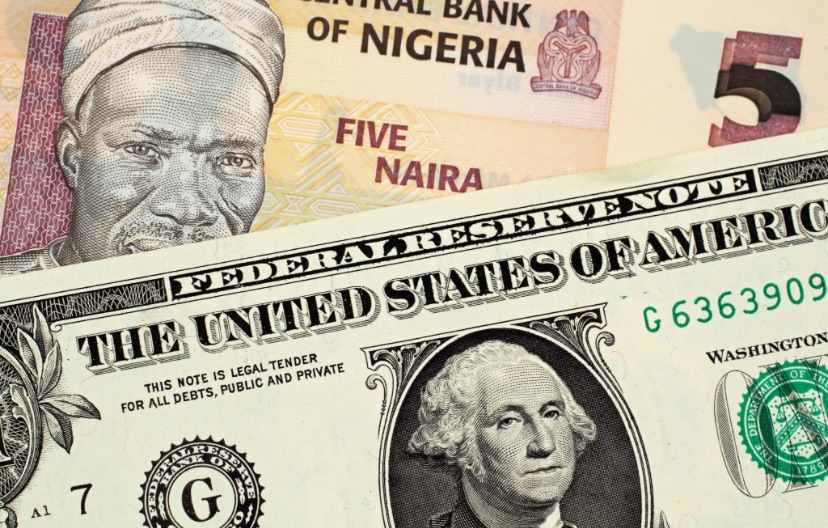

The Nigerian naira remained relatively stable against the US dollar during the first half of the week, trading around N1,361 per dollar.
Market analysts say the stability is largely due to the Central Bank of Nigeria’s (CBN) active involvement in the foreign exchange market. The bank has continued to sell dollars directly to Bureau de Change operators and authorized dealers, making intervention one of its strongest tools for controlling currency volatility.
Nigeria’s foreign reserves have risen to about $50 billion, enough to cover roughly nine months of imports. This provides the CBN with significant resources to support the naira and discourage speculative attacks on the currency.
The bank has also maintained tight monetary conditions. The Cash Reserve Ratio (CRR) remains at 45%, and interest rates have been kept elevated to reduce excess naira liquidity and combat inflation.
According to market observers, the exchange rate is currently being held in a heavily managed balance. The long-term sustainability of this balance will depend on oil revenue, foreign reserve levels, and the CBN’s ability to keep inflation under control without severely slowing economic activity.
Demand for naira-denominated investments, including government securities and money market instruments, has provided additional support for the local currency. Both domestic and foreign portfolio investors have shown increased interest in these assets.
Some pressure remains in the parallel market due to corporate demand for foreign currency. However, analysts note that progress has been made in clearing verified foreign exchange backlogs owed to airlines and foreign investors.
While the naira has been relatively stable, the US dollar has strengthened in global markets.
The US Dollar Index (DXY) is trading near the 100 level after stronger-than-expected US employment data. The latest Nonfarm Payrolls report showed about 172,000 new jobs, far above market expectations of roughly 85,000.
The stronger labor market has reduced expectations that the US Federal Reserve will cut interest rates aggressively. As a result, the dollar has gained support against many major currencies.
Investors are now focusing on upcoming US inflation data. April inflation stood at 3.8%, but forecasts suggest it could rise above 4%, partly because of higher energy costs.
If inflation remains elevated, the Federal Reserve may keep monetary policy tighter for longer. That would likely strengthen the dollar further and increase pressure on emerging-market currencies.
For Nigeria, the stronger global dollar creates a challenging backdrop. However, the country’s sizable foreign reserves and ongoing central bank interventions have so far helped limit major swings in the naira.
Analysts say the key question is whether Nigeria can maintain this stability over the medium term. Continued reserve growth, strong oil earnings, and effective monetary policy will be critical factors in determining whether the naira can remain near current levels.
For now, the market appears to be in a temporary equilibrium: the naira is being supported by central bank actions and reserve strength, while external forces continue to favor a stronger US dollar.