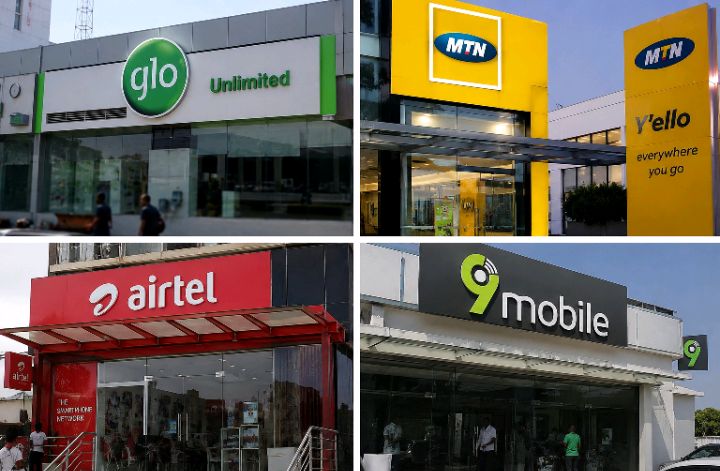

Nigeria’s telecommunications industry is set for a major expansion as mobile network operators collectively earmark approximately $1.38 billion for infrastructure upgrades aimed at improving service quality, expanding network coverage, and supporting the country’s rapidly growing digital economy.
The planned investments come at a critical time for Africa’s largest economy, where demand for mobile data, digital financial services, streaming platforms, and enterprise connectivity continues to rise. Industry stakeholders say the spending will be directed toward network modernization, additional base stations, fiber-optic infrastructure, and upgrades to support faster broadband services.
The investment program underscores the telecom sector’s role as one of Nigeria’s most resilient economic pillars. Telecommunications has remained a significant contributor to gross domestic product (GDP), benefiting from strong consumer demand despite broader macroeconomic challenges, including inflationary pressures, foreign exchange volatility, and rising operating costs.
Industry executives argue that sustained capital expenditure is essential to address network congestion and improve service reliability. The expansion is also expected to enhance connectivity in underserved and rural communities, helping bridge Nigeria’s digital divide and enabling greater participation in the digital economy.
Analysts note that the infrastructure push aligns with national ambitions to increase broadband penetration and accelerate digital transformation across sectors such as education, healthcare, agriculture, financial services, and e-commerce. Improved telecommunications infrastructure could also strengthen Nigeria’s attractiveness to technology investors and multinational companies seeking reliable digital connectivity.
The investment drive comes as operators face increasing pressure to support higher data consumption driven by video streaming, cloud computing, remote work solutions, and the adoption of emerging technologies. Network upgrades are expected to improve capacity, reduce service disruptions, and position operators to capitalize on future growth opportunities.
For consumers, the planned spending could translate into faster internet speeds, broader coverage, and improved service quality. Businesses, meanwhile, stand to benefit from stronger digital infrastructure that supports productivity, innovation, and access to new markets.
Market observers view the $1.38 billion commitment as a strong vote of confidence in the long-term prospects of Nigeria’s telecommunications sector. Despite economic headwinds, operators continue to prioritize strategic investments that can generate sustainable growth and support the country’s broader digital development agenda.
As competition intensifies and demand for connectivity accelerates, the scale of planned infrastructure spending signals that telecom companies are preparing for the next phase of Nigeria’s digital evolution. The investments are expected to strengthen network resilience, improve customer experience, and reinforce the sector’s position as a key driver of economic growth in the years ahead.