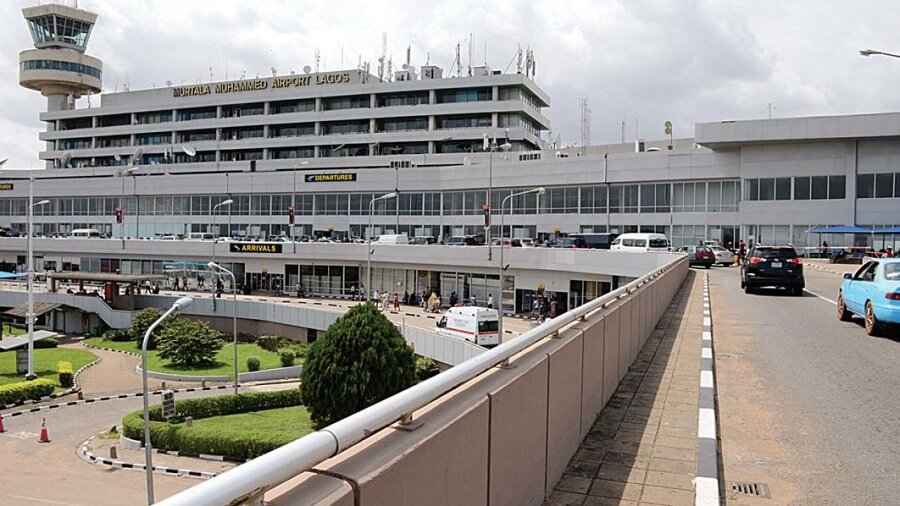

President Bola Tinubu has approved a $500 million investment package for the comprehensive modernisation of Lagos’ aviation infrastructure, marking one of the most significant airport upgrade programmes in Nigeria’s recent history.
The funding is expected to support extensive improvements at Murtala Muhammed International Airport, the country’s busiest aviation hub and a critical gateway for international trade, tourism, and business travel. The project forms part of the federal government’s broader strategy to strengthen transport infrastructure, improve passenger experience, and position Nigeria as a leading aviation centre in West Africa.
Industry stakeholders say the investment comes at a crucial time for the aviation sector, which has faced growing pressure from rising passenger volumes, ageing facilities, operational inefficiencies, and increasing competition from regional airports across Africa.
According to government officials, the modernisation programme will focus on terminal upgrades, runway rehabilitation, improved security systems, enhanced cargo-handling facilities, digital passenger processing technologies, and expanded operational capacity. The initiative is also expected to address longstanding concerns over congestion, passenger comfort, and airport efficiency.
The Lagos airport serves as Nigeria’s primary international gateway, handling millions of passengers annually and facilitating a substantial share of the country’s air cargo traffic. Analysts note that improvements to airport infrastructure could strengthen connectivity, lower operational bottlenecks, and attract greater investment into the aviation ecosystem.
The approval underscores the Tinubu administration’s emphasis on infrastructure-led economic growth. Investments in transportation networks are increasingly viewed as essential to improving competitiveness, supporting commerce, and stimulating job creation across multiple sectors of the economy.
Aviation experts argue that modern airport infrastructure can generate significant economic spillovers. Beyond enhancing passenger mobility, upgraded facilities can boost tourism receipts, facilitate trade logistics, support export growth, and encourage multinational companies to expand their presence in Nigeria.
The announcement has been welcomed by industry participants, including airlines, logistics operators, and tourism stakeholders, who have long advocated for increased investment in airport infrastructure. Many believe the project could improve Nigeria’s standing within Africa’s rapidly evolving aviation landscape and strengthen Lagos’ role as a regional commercial hub.
While implementation timelines and contractor details are yet to be fully disclosed, market observers will be watching closely to assess project execution, funding deployment, and the broader impact on Nigeria’s transportation infrastructure strategy.
The $500 million commitment represents a significant vote of confidence in the country’s aviation sector and signals the government’s intention to modernise critical infrastructure as part of its long-term economic development agenda.