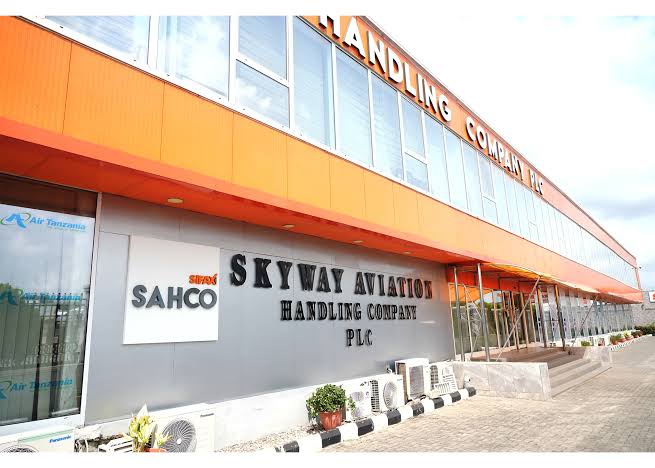

Skyway Aviation Handling Company (SAHCO), a key player in Nigeria’s aviation services sector, has entered into a strategic collaboration with authorities in the United Arab Emirates aimed at strengthening trade facilitation and improving cargo logistics across the Nigeria–Gulf corridor.
The agreement positions Skyway Aviation Handling Company (SAHCO) at the centre of efforts to modernise air cargo operations, reduce processing bottlenecks, and enhance turnaround times for goods moving between West Africa and one of its most important trading partners in the Middle East.
Industry officials familiar with the development say the partnership focuses on digitising cargo documentation processes, improving compliance with international aviation security standards, and expanding capacity at key cargo terminals. The initiative is also expected to support smoother customs coordination, a persistent friction point in Nigeria’s export-import chain.
The Nigeria–UAE trade route has grown steadily over the past decade, driven by demand for energy products, manufactured goods, and consumer imports. However, inefficiencies in ground handling, fragmented logistics systems, and congestion at airports have continued to limit the full potential of the corridor. The new collaboration seeks to address those structural challenges.
For SAHCO, the deal underscores its ambition to position itself as a regional logistics facilitator rather than a traditional ground handling operator. The company has increasingly invested in digital systems, warehouse upgrades, and training programmes aimed at aligning its operations with global best practices in cargo management.
Analysts note that improved efficiency in air cargo handling could have broader macroeconomic implications for Nigeria, particularly in non-oil export growth. Faster clearance times and better coordination between aviation handlers and customs authorities are seen as critical to boosting competitiveness for perishable goods and manufactured exports.
While financial terms of the agreement were not disclosed, stakeholders expect the partnership to pave the way for further investment in infrastructure and technology at major Nigerian airports.
If effectively implemented, the initiative could also strengthen investor confidence in Nigeria’s aviation logistics ecosystem, an area that has historically lagged behind peer emerging markets. The collaboration reflects a broader Gulf–Africa strategy, where Gulf states are deepening commercial ties through logistics, aviation, and trade infrastructure partnerships.