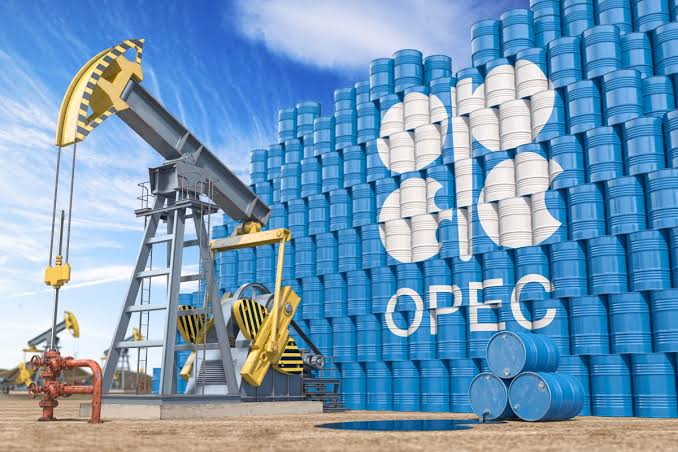

The OPEC+ alliance has agreed to increase oil production quotas for July, extending its gradual supply expansion strategy as the group seeks to balance market stability with evolving global demand conditions.
The decision, reached by the coalition of major oil-producing nations led by Saudi Arabia and Russia, comes amid signs of resilient energy consumption in key economies and growing expectations that global oil demand will remain relatively robust through the second half of 2026. The move marks another step in the group’s effort to unwind previous production restrictions that were introduced to support crude prices during periods of market uncertainty.
Under the revised framework, participating countries will be permitted to raise output levels in July, adding more barrels to international markets. The increase reflects OPEC+’s assessment that current market conditions can absorb additional supply without triggering a significant imbalance between production and consumption.
The decision carries important implications for oil prices, inflation, and economic growth. Higher production volumes typically increase market supply, which can help moderate crude prices if demand growth remains steady. For oil-importing countries, lower or more stable energy costs could ease inflationary pressures and support economic activity. However, the impact will depend on the pace of global demand, geopolitical developments, and compliance levels among OPEC+ members.
Analysts note that the alliance faces a delicate balancing act. While stronger output can help preserve market share and meet growing consumption needs, excessive supply risks placing downward pressure on prices. Brent crude has remained sensitive to changing expectations surrounding global growth, central bank policies, and geopolitical tensions, making production decisions increasingly consequential for financial markets.
For major producers within the alliance, the July increase also signals confidence that demand fundamentals remain supportive despite concerns over slower growth in some advanced economies. Energy market participants will closely monitor inventory levels, refinery activity, and consumption trends across Asia, Europe, and North America to gauge whether additional supply can be absorbed smoothly.
The latest adjustment reinforces OPEC+’s flexible approach to market management. Rather than implementing large-scale production shifts, the group has increasingly favored incremental changes designed to respond to real-time market conditions. This strategy aims to reduce volatility while protecting revenues for producer nations.
Looking ahead, investors, policymakers, and energy companies will focus on upcoming OPEC+ meetings for signals about future supply policy. The trajectory of global economic growth, geopolitical risks, and oil demand trends will remain central factors shaping the alliance’s decisions through the remainder of 2026.