
Nigeria’s inland waterways regulator has raised concerns over the environmental consequences of rapid urbanisation, warning that unplanned growth across cities and waterfront communities could undermine long-term sustainability efforts and increase vulnerability to climate-related risks.
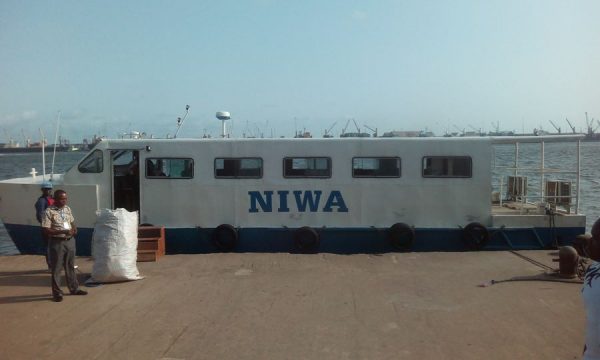
The National Inland Waterways Authority (NIWA) said accelerating population growth, expanding commercial activity and rising pressure on land resources are placing significant strain on ecosystems, particularly in areas surrounding rivers, creeks and coastal settlements.
The warning comes as Nigeria continues to experience one of Africa’s fastest rates of urban expansion, driven by migration to major economic centres and increasing demand for housing, transportation and public infrastructure. While urbanisation has supported economic activity and job creation, experts say inadequate planning has contributed to environmental degradation, flooding, waste management challenges and the loss of natural habitats.
NIWA noted that unchecked development along waterways could worsen erosion, reduce water quality and heighten flood risks for communities. The agency stressed that sustainable urban planning must be integrated into future development strategies to protect critical environmental assets while supporting economic growth.
According to the authority, balancing infrastructure development with environmental protection has become increasingly important as governments and private investors pursue new housing, transport and industrial projects. The agency called for stronger enforcement of environmental regulations and greater collaboration among federal, state and local authorities responsible for land use and urban development.
Environmental analysts have long argued that Nigeria’s rapidly growing cities require significant investment in resilient infrastructure capable of withstanding climate-related shocks. Flooding incidents in recent years have highlighted vulnerabilities in drainage systems, land-use management and settlement planning, resulting in economic losses for households and businesses.
NIWA also emphasized the importance of preserving waterways as strategic national assets that support transportation, commerce, fisheries and tourism. The authority said environmental sustainability should be treated as a core component of economic planning rather than a secondary consideration, particularly as Nigeria seeks to improve infrastructure and attract investment.
The agency’s position aligns with broader global concerns about the environmental impact of urban growth. International development institutions have increasingly urged governments to adopt climate-smart urban policies that promote efficient land use, protect ecosystems and strengthen resilience against extreme weather events.
For policymakers, the challenge will be ensuring that future urban expansion delivers economic benefits without compromising environmental integrity. As Nigeria’s cities continue to grow, experts say the decisions made today on planning, infrastructure and environmental management will play a critical role in determining the sustainability of future development.
The warning underscores a broader policy debate about how Africa’s largest economy can accommodate rising urban populations while safeguarding natural resources and building more resilient communities.