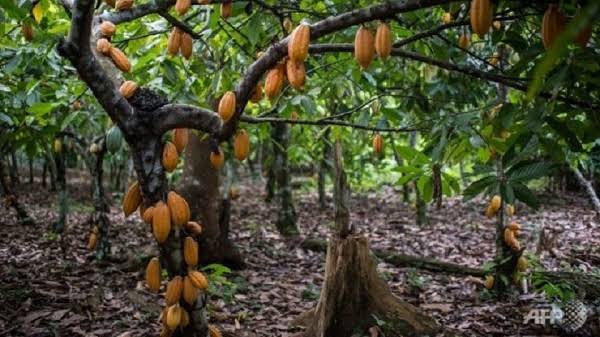

Segilola Resources Operating Limited (SROL) has expanded its agricultural support initiatives through the rollout of cocoa and plantain rehabilitation programmes aimed at improving productivity and strengthening livelihoods in its host communities in Osun State.
The company said the initiative is designed to support local farmers by providing improved planting materials and agricultural inputs that can help restore farm productivity and enhance long-term sustainability.
Under the programme, 100 farmers were selected as beneficiaries, comprising 70 cocoa farmers and 30 plantain farmers. The support package includes cocoa seedlings, plantain suckers and agrochemicals intended to improve crop performance and farm management practices.
The intervention forms part of SROL’s broader community development strategy, which focuses on economic empowerment and sustainable livelihood creation within communities surrounding its mining operations.
Nigeria remains one of Africa’s leading cocoa-producing countries, with the crop serving as an important source of income for rural households and a contributor to non-oil export earnings. However, aging plantations, declining productivity and limited access to improved inputs continue to constrain output across many farming communities.
Industry experts note that rehabilitation programmes can play a critical role in addressing these challenges by helping farmers replace unproductive plants, improve crop health and adopt better agronomic practices. Such interventions can increase yields while reducing the need for new farmland development.
For plantain farmers, access to improved suckers and farm inputs can contribute to higher productivity and more reliable harvests. Plantain remains a staple food crop in Nigeria and a significant source of income for many smallholder farmers.
SROL said the programme reflects its commitment to supporting economic development beyond the mining sector. By investing in agriculture, the company aims to strengthen local value chains and create opportunities for sustainable income generation within host communities.
The initiative underscores the growing role of private-sector investment in rural development, particularly as businesses seek to support local economic resilience through targeted agricultural interventions.
For participating farmers, improved access to quality planting materials and farm inputs could provide a foundation for stronger productivity and long-term farm sustainability.