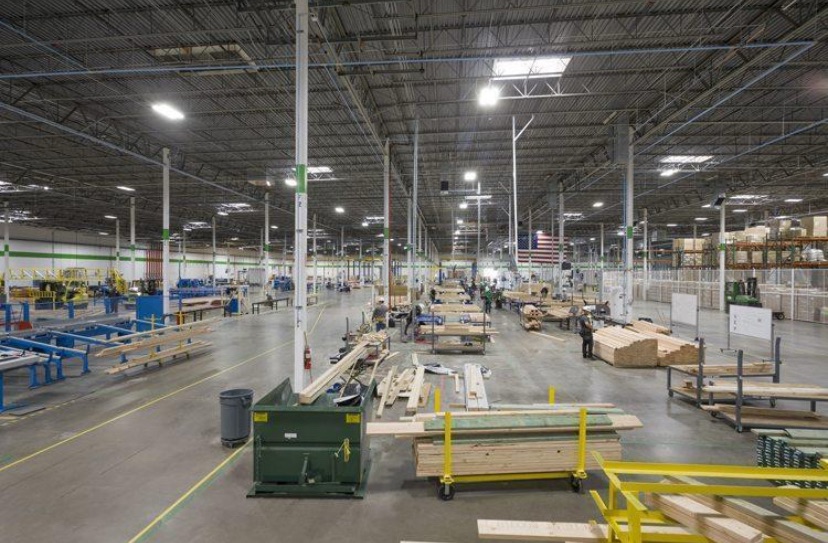

Nigeria’s manufacturing sector is showing renewed signs of growth as more companies increase local production in response to government policies promoting industrial development and import substitution.
Industry experts say the sector has witnessed gradual improvement in recent months, driven by investments in local raw material sourcing, expansion of production facilities, and increased demand for Nigerian-made products. The development is expected to strengthen the country’s economy, create jobs, and reduce dependence on imported goods.
Several manufacturing firms have announced plans to expand operations across different regions of the country. Businesses in the food processing, consumer goods, building materials, and packaging industries are leading the expansion efforts, citing improved market opportunities and growing consumer preference for locally produced items.
According to industry stakeholders, rising foreign exchange costs have encouraged many companies to seek alternatives within the country. This shift has created new opportunities for local suppliers and small-scale producers who provide raw materials and services to manufacturers.
Economic analysts believe the trend could have a positive impact on Nigeria’s industrial landscape if sustained. Increased local production is expected to improve value chains, boost exports, and contribute to economic diversification beyond the oil sector.
Manufacturers, however, continue to face challenges such as high energy costs, transportation difficulties, and infrastructure gaps. Many industry operators have called for greater investment in power supply, logistics networks, and industrial parks to support long-term growth.
Despite these obstacles, business confidence within the sector remains relatively strong. Companies are increasingly investing in technology and automation to improve efficiency and reduce operating costs. Some firms are also partnering with local research institutions to develop innovative products suited to the Nigerian market.
The growth in manufacturing is already creating employment opportunities in several states. Industry groups estimate that thousands of direct and indirect jobs could emerge over the next few years if current investment trends continue. Employment opportunities are expected across production, distribution, engineering, and supply chain management.
Government officials have reiterated their commitment to supporting industrialisation through policy reforms, access to financing, and incentives for manufacturers. Recent initiatives aimed at supporting small and medium-sized enterprises have also contributed to increased participation in the manufacturing value chain.
Business leaders have welcomed these efforts but stress that consistency in policy implementation will be critical. They argue that long-term planning and stable economic conditions are necessary to attract both domestic and foreign investors into the sector.
As Nigeria continues its push toward economic diversification, the manufacturing industry is increasingly being viewed as a key driver of sustainable growth. With continued investment, improved infrastructure, and stronger support for local businesses, the sector could play a significant role in boosting national productivity and expanding the country’s industrial base.
Market observers say the coming months will be crucial in determining whether the current momentum can be sustained. For now, the outlook remains positive, with manufacturers expressing confidence that local production will continue to gain strength and contribute meaningfully to Nigeria’s economic development.