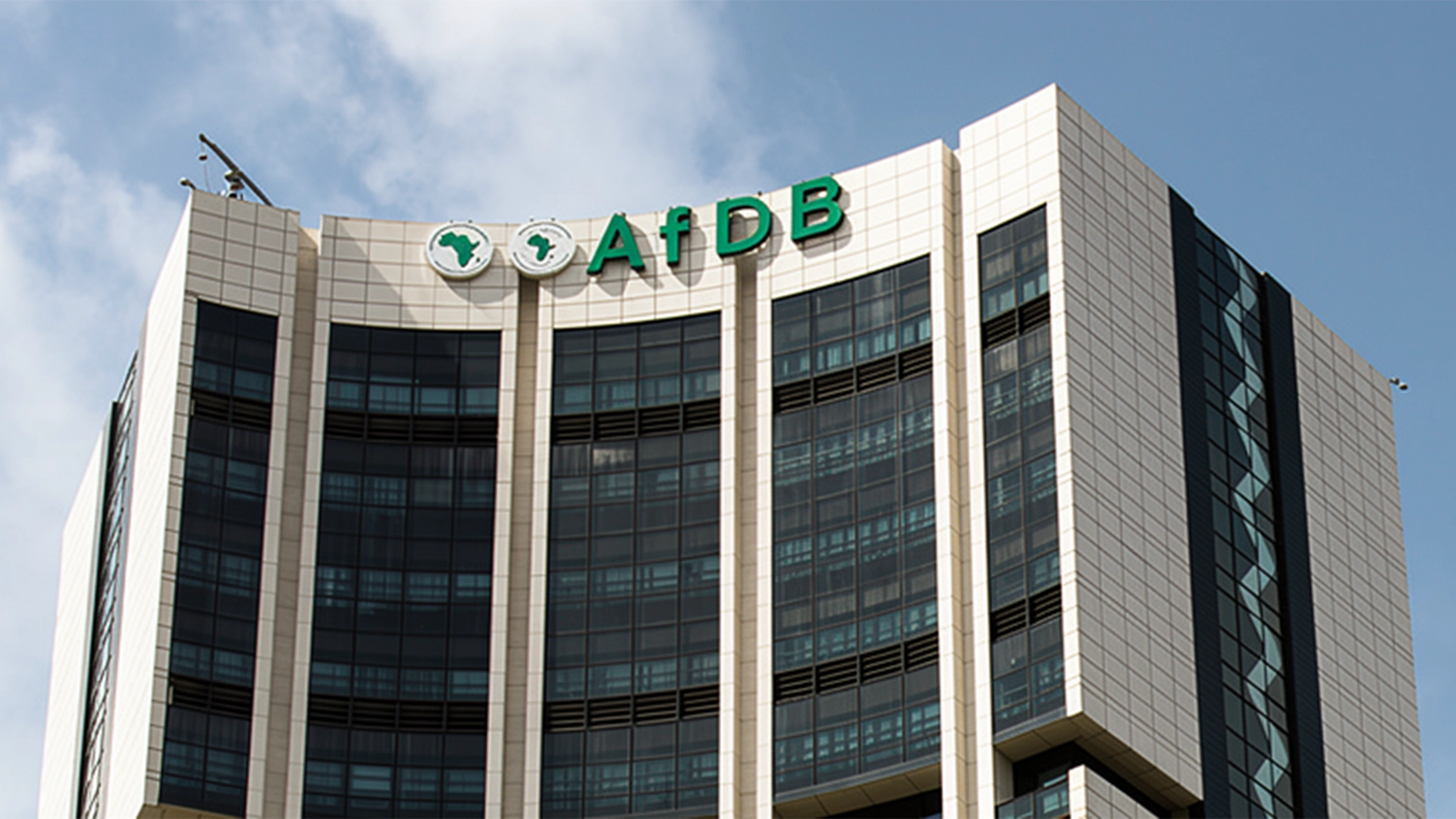

Nigeria’s chronic electricity shortages are imposing a significant financial burden on businesses, with firms losing an estimated 3% of their annual sales due to unreliable power supply, according to a recent assessment by the African Development Bank (AfDB).
The finding underscores the economic cost of Nigeria’s long-running energy crisis, which continues to constrain productivity, raise operating expenses, and weaken the competitiveness of businesses across sectors. Despite being Africa’s largest economy by population, Nigeria struggles with persistent power generation and distribution challenges that leave households and companies heavily dependent on costly alternative energy sources.
According to the AfDB, inadequate electricity infrastructure remains one of the most significant barriers to private-sector growth in the country. Frequent grid failures and inconsistent power supply force many businesses to rely on diesel and petrol generators, significantly increasing production costs and reducing profit margins.
For manufacturers, retailers, technology firms, and small enterprises, the impact extends beyond direct fuel expenses. Power disruptions often lead to production delays, equipment damage, inventory losses, and reduced employee productivity. Small and medium-sized enterprises (SMEs), which account for a substantial share of employment in Nigeria, are particularly vulnerable because they typically lack the financial resources to invest in large-scale backup power systems.
The reported 3% loss in annual sales highlights how infrastructure deficiencies can translate directly into weaker business performance and slower economic growth. Economists note that while Nigeria has implemented various power-sector reforms over the past decade, progress has been uneven, with electricity demand continuing to outpace available supply.
Industry analysts argue that improving power reliability could deliver substantial economic gains. Lower energy costs would enable businesses to expand operations, increase hiring, and improve competitiveness both domestically and internationally. Enhanced electricity access could also attract greater foreign direct investment, as investors often view reliable infrastructure as a key determinant of market attractiveness.
The AfDB’s assessment comes as policymakers intensify efforts to address structural bottlenecks in the energy sector. Recent initiatives aimed at expanding generation capacity, upgrading transmission networks, and encouraging private-sector participation are intended to strengthen the country’s electricity ecosystem over the long term.
However, experts caution that meaningful improvements will require sustained investment, regulatory consistency, and stronger coordination among industry stakeholders. Without significant upgrades to power infrastructure, businesses may continue to face elevated operating costs that limit growth potential and undermine broader economic development objectives.
As Nigeria seeks to accelerate industrialisation and diversify its economy beyond oil revenues, resolving the electricity challenge remains one of the country’s most pressing economic priorities. For many businesses, reliable power is no longer merely an operational necessity, it is a critical factor determining profitability, investment decisions, and long-term competitiveness.