
The legal battle between the Nigerian National Petroleum Company Limited (NNPC) and Dangote Petroleum Refinery has deepened as both sides clash over fuel importation and control of Nigeria’s downstream petroleum market.
At the centre of the dispute is Dangote refinery’s request for the court to stop the issuance of petrol import licences to marketers and oil traders. However, the NNPC has strongly opposed the move, warning that granting such a request could create a monopoly in the country’s fuel sector.
In documents filed before the Federal High Court in Lagos, the NNPC argued that petroleum products from the Dangote refinery are already sold at “high and fluctuating prices” driven by commercial interests. According to the national oil company, limiting fuel imports would reduce competition and expose Nigerians to possible price exploitation and supply shortages.
The case, marked Suit No: FHC/L/CS/857/2026, follows Dangote refinery’s challenge against licences issued by the Nigerian Midstream and Downstream Petroleum Regulatory Authority (NMDPRA). The refinery claimed that despite its ability to meet most of Nigeria’s petrol demand, regulators still approved the importation of more than 700,000 metric tonnes of petrol.
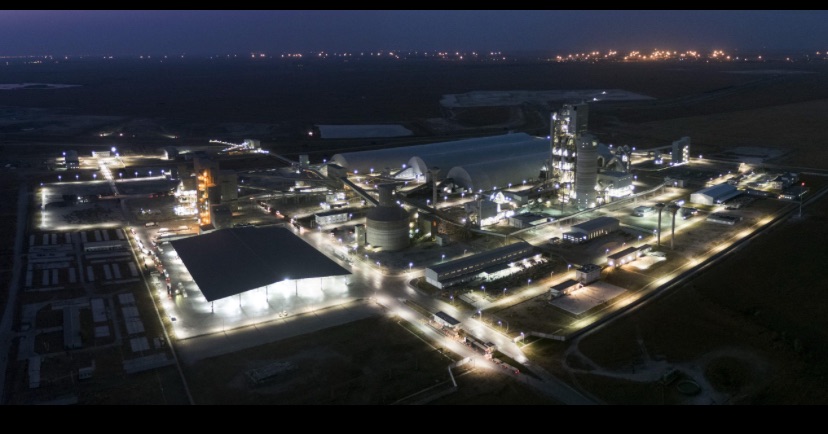
Dangote refinery argued that continued fuel importation undermines local refining efforts and weakens its massive $20bn investment in the Lekki-based facility. The company also accused the NNPC and government agencies of frustrating its operations through crude oil supply challenges and import approvals.
But in its counter-affidavit, the NNPC dismissed the allegations and asked the court to strike out the case entirely. The company described the suit as premature and lacking merit.
According to the NNPC, Dangote refinery failed to provide independent evidence proving it can consistently meet Nigeria’s nationwide fuel demand. The company stressed that refining petrol alone is not enough to guarantee national energy security.
It explained that fuel supply also depends on transportation, storage, distribution networks, strategic reserves, logistics, and nationwide delivery systems.
The NNPC warned that relying on one refinery for the country’s fuel supply could be dangerous. It argued that any shutdown, maintenance issue, or disruption at the refinery could trigger a nationwide fuel crisis if import channels are blocked.
The oil company further stated that the Petroleum Industry Act does not ban fuel imports. Instead, it said the law gives regulators discretionary powers to issue import licences whenever necessary to maintain market stability and avoid shortages.
Meanwhile, fuel marketers under the Petroleum Products Retail Outlet Owners Association of Nigeria supported the NNPC’s position.
The association’s president, Billy Gillis-Harry, said competition in the downstream sector is necessary to keep fuel prices stable and protect consumers from exploitation. He warned against allowing any single operator to dominate the market, regardless of the size of its investment.
According to him, healthy competition encourages efficiency, ensures product availability, and can even help lower petrol prices through competitive pricing among suppliers.
While acknowledging the huge investment made by Dangote refinery, the marketers insisted that Nigeria’s downstream petroleum sector must remain open to multiple participants.
The dispute reflects the growing tensions in Nigeria’s oil industry since the removal of petrol subsidies and the deregulation of the downstream market in 2023. Since then, fuel prices have largely been determined by market forces, leading to fierce competition among refiners, importers, marketers, and regulators.
This is not the first clash between Dangote refinery and government agencies. A similar lawsuit filed in Abuja in 2024 was later withdrawn after the Federal Government intervened.
As the court battle continues, the outcome could shape the future of fuel supply, pricing, and competition in Nigeria’s petroleum industry for years to come.