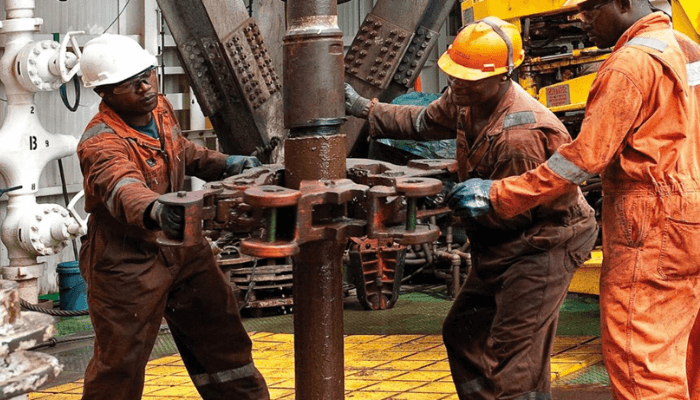

Nigeria, Africa’s largest crude oil producer, continues to underperform in global energy markets despite intensifying competition for oil supplies amid geopolitical tensions and rising industrial demand.
While major producers across the Middle East and North America ramp up production to capitalize on tighter global supply conditions, Nigeria remains constrained by chronic infrastructure decay, oil theft, underinvestment, and regulatory uncertainty. The result is a widening gap between the country’s vast petroleum potential and its actual output.
Nigeria holds proven crude reserves of more than 37 billion barrels, according to official estimates, yet production levels have struggled to consistently exceed the country’s Organisation of the Petroleum Exporting Countries (OPEC) quota in recent years. Industry analysts say the country’s inability to maximize output is costing the government billions of dollars in lost export earnings at a time when fiscal pressures remain elevated.
The global oil market has become increasingly volatile following supply disruptions linked to geopolitical conflicts, shipping bottlenecks, and production cuts by major exporters. Benchmark crude prices have remained relatively resilient, encouraging oil-producing nations to increase exports and attract fresh upstream investment.
For Nigeria, however, structural challenges continue to limit growth.
Oil theft and pipeline vandalism remain among the most severe obstacles facing operators in the Niger Delta. International oil companies and indigenous producers have repeatedly reported significant losses from illegal tapping of pipelines and operational shutdowns. The security concerns have forced several multinational energy groups to divest onshore assets or scale back investments.
At the same time, years of delayed investment decisions have weakened Nigeria’s production capacity. Energy executives argue that although the Petroleum Industry Act was designed to improve transparency and attract capital, investors are still cautious due to foreign exchange instability, regulatory bottlenecks, and concerns over contract enforcement.
“There is demand for Nigerian crude, but the country is struggling to fully capitalize on the opportunity,” said a Lagos-based energy analyst. “The challenge is no longer resource availability; it is execution, infrastructure, and policy consistency.”
The Nigerian National Petroleum Company (NNPC) has intensified efforts to revive dormant assets, improve pipeline surveillance, and boost refinery development, including support for large-scale domestic refining projects. Economists say stronger refining capacity could help reduce Nigeria’s dependence on imported fuel and improve foreign exchange stability over the long term.
Still, analysts warn that without sustained investment in upstream infrastructure and stronger security reforms, Nigeria risks losing market share to faster-moving producers such as the United States, Brazil, and Guyana.
For Africa’s biggest economy, the stakes are high. Oil exports remain central to government revenue generation and foreign exchange inflows. Failure to raise production meaningfully could further strain public finances, weaken investor confidence, and limit economic growth at a time when global energy competition is intensifying.