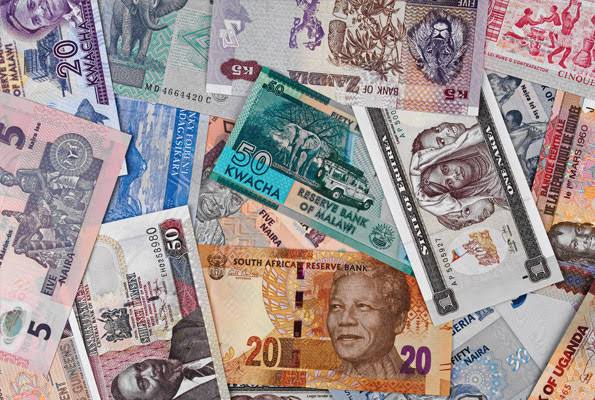

African currencies suffered a markedly sharper decline than their emerging-market peers during a recent episode of global geopolitical stress, underscoring the continent’s persistent exposure to external financial shocks, according to new data from the UNCTAD.
The UN trade body reported that African currencies depreciated by an average of 3.2% between February 27 and March 13, 2026, a period marked by heightened tensions involving the United States, Israel and Iran. This reversal followed a strong pre-conflict rally of 8.7%, highlighting the speed at which sentiment shifted once global risk conditions deteriorated.
By comparison, broader emerging markets recorded a more moderate 1.3% decline after gaining 5.9% earlier in the period, while frontier markets fell 0.7% following a 3.3% rise. The divergence points to a disproportionate repricing of African assets when global investors move to reduce exposure to perceived higher-risk regions.
Analysts cited by UNCTAD link the sell-off to two reinforcing channels: a broad-based “risk-off” rotation in global capital markets and rising energy prices triggered by the geopolitical flare-up. Higher oil prices tend to strain the current accounts of many African economies, most of which are net importers of refined fuel, increasing pressure on local currencies.
The findings reinforce a structural challenge for African financial markets, shallow liquidity and limited hedging instruments amplify volatility when foreign capital retreats. Portfolio flows, which have become increasingly influential in shaping short-term currency movements across the continent, tend to reverse quickly during global stress events, exacerbating depreciation pressures.
Market observers note that while several African economies have improved macroeconomic fundamentals in recent years, including stronger fiscal frameworks and inflation management, these gains have yet to fully insulate currencies from external shocks. The latest episode suggests that global risk sentiment still plays a dominant role in driving near-term currency performance.
The report also highlights the asymmetric nature of recovery. African currencies, despite stronger pre-shock gains, gave back a larger share of those advances once conditions turned. This pattern raises concerns about the durability of capital inflows and the continent’s ability to retain investor confidence during periods of geopolitical uncertainty.
For policymakers, the implications are clear: reducing external vulnerability will require deeper domestic capital markets, stronger foreign exchange buffers, and broader export diversification to cushion against commodity-linked and energy-driven shocks.