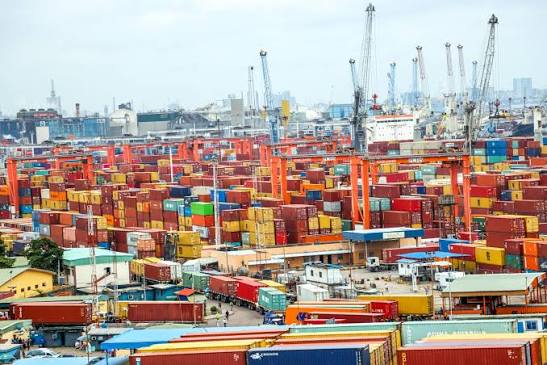

The Nigeria Customs Service (NCS) Tin Can Island Port Command generated ₦1.60 trillion in revenue in 2025, surpassing its annual target of ₦1.52 trillion and reinforcing the strategic importance of Lagos-based ports to federal revenue generation.
The performance marks one of the strongest revenue outturns recorded by the command in recent years, reflecting increased import volumes, tighter enforcement measures, and improved compliance among importers operating through one of Nigeria’s busiest maritime gateways.
Tin Can Island Port, located in Lagos, plays a central role in Nigeria’s import-dependent economy, handling large volumes of containerized cargo, automobiles, industrial machinery, and consumer goods. Revenue collected by the command primarily comes from customs duties, import taxes, levies, and other statutory charges imposed on goods entering the country.
The ₦1.60 trillion figure exceeded the command’s target by approximately ₦80 billion, underscoring the growing contribution of customs collections to government finances at a time when authorities are seeking to reduce dependence on oil revenues.
Analyst say the result reflects broader efforts by the Nigeria Customs Service to modernize operations through digital processes, stricter cargo valuation systems, and enhanced surveillance aimed at reducing leakages and smuggling.
The revenue growth also comes amid persistent pressure on Nigeria’s fiscal position. The federal government has increasingly relied on non-oil revenue sources, including customs collections and taxation, to support public spending and narrow budget deficits following volatility in global crude oil markets.
Trade experts note that stronger customs performance can improve investor confidence in Nigeria’s port system, particularly if accompanied by faster cargo clearance procedures and reduced bottlenecks. Congestion, infrastructure deficits, and high logistics costs have long remained key concerns for manufacturers and importers operating through Lagos ports.
Industry stakeholders, however, caution that sustaining revenue growth will require balancing enforcement with trade facilitation. Excessive delays, inconsistent valuation practices, and rising import costs could place additional strain on businesses already facing currency volatility and elevated inflation.
The Tin Can Island Port Command’s performance is likely to strengthen the Nigeria Customs Service’s broader push for higher nationwide collections in 2026, especially as authorities intensify efforts to expand the tax base and improve compliance across the maritime sector.
Economists say continued improvements in customs efficiency could have wider implications for Nigeria’s economy, including stronger trade competitiveness, improved government liquidity, and more stable fiscal planning in Africa’s largest economy.