
A Nigerian court has restrained eNaira Payment Solutions Limited from presenting itself as the owner or lawful proprietor of the “eNaira” trademark, in a ruling that underscores the growing legal and commercial importance of digital currency branding in Africa’s largest economy.
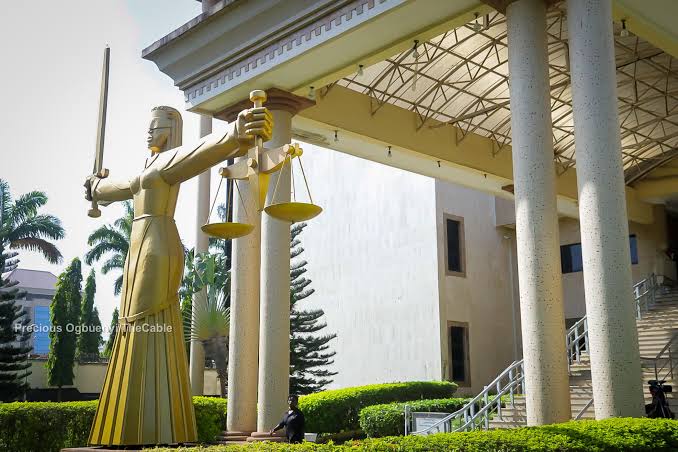
The decision, handed down by Justice James Omotosho of the Federal High Court in Abuja, marks a significant development in an ongoing dispute tied to the branding rights surrounding the eNaira, Nigeria’s central bank digital currency (CBDC) launched by the Central Bank of Nigeria in 2021. The digital currency was introduced as part of broader efforts to modernize payments, deepen financial inclusion, and reduce reliance on cash transactions.
According to court filings, the dispute centers on claims by eNaira Payment Solutions that it held rights to the “eNaira” name. The court’s restraining order prevents the company from asserting ownership or taking actions that could imply exclusive trademark control pending further legal proceedings.
The ruling is likely to strengthen the position of the central bank and federal authorities, who view the eNaira brand as a sovereign national financial asset closely tied to monetary policy and Nigeria’s digital payments infrastructure.
Legal analysts say the case highlights the increasing value of intellectual property within the fintech and digital asset ecosystem. As African governments accelerate digital finance initiatives, branding disputes involving state-backed payment systems and fintech operators are becoming more commercially sensitive.
“The eNaira name carries institutional credibility and public trust because it is associated with the Nigerian state,” said one Lagos-based intellectual property lawyer familiar with the matter. “Any ambiguity over ownership could create confusion in the market and expose consumers to potential risks.The
The case also comes at a time when Nigeria’s fintech sector is expanding rapidly despite tighter regulatory oversight. The country remains one of Africa’s largest digital payments markets, driven by smartphone adoption, electronic banking growth, and rising demand for instant transactions.
While adoption of the eNaira has lagged behind early expectations, the digital currency remains strategically important for policymakers seeking to formalize parts of the economy and improve payment transparency. The Central Bank of Nigeria has continued to promote the platform through merchant partnerships, public-sector integrations, and financial inclusion campaigns.
Market observers say the trademark dispute may prompt regulators and fintech companies to pay closer attention to intellectual property protections tied to digital finance products, particularly as competition intensifies across Nigeria’s rapidly evolving payments landscape.
The matter is expected to return to court for further hearings as judges consider broader questions surrounding trademark registration, commercial representation, and the legal ownership of nationally significant digital brands.