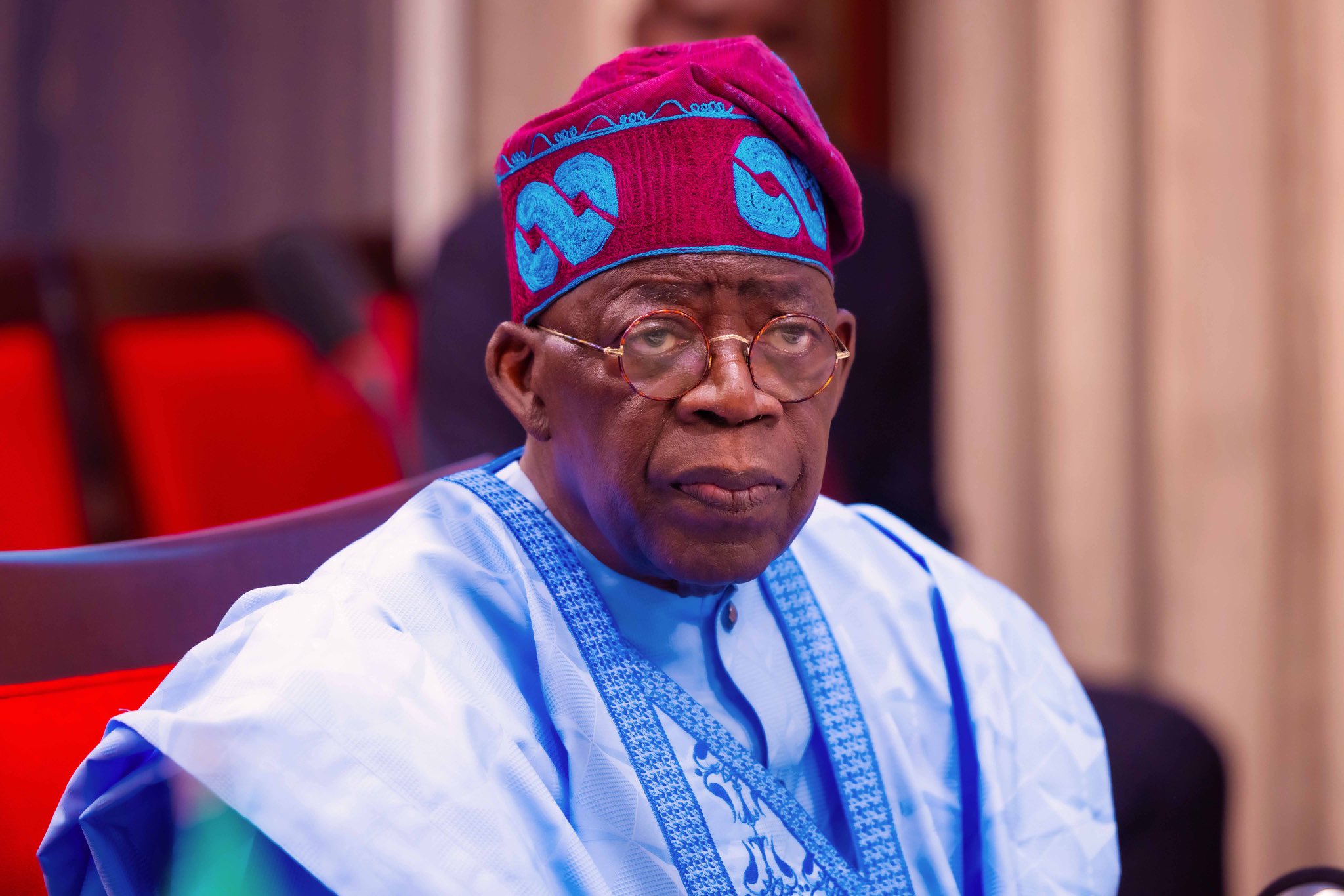

President Bola Ahmed Tinubu is preparing to steer Nigeria toward a more expansionary fiscal policy in 2026, marking a significant shift from recent years of constrained public spending as the government seeks to accelerate economic growth, rebuild infrastructure, and cushion households from persistent inflationary pressures.
Early signals from the administration’s medium-term fiscal framework suggest the federal government intends to increase capital expenditure, expand social intervention programmes, and sustain large-scale investments in transportation, energy, and industrial development despite mounting debt-service obligations and fragile oil revenues.
The planned strategy reflects a broader recalibration of economic policy following sweeping reforms introduced since Tinubu assumed office in 2023, including the removal of fuel subsidies and the liberalisation of the foreign exchange market. While those measures were designed to stabilise public finances and attract investment, they also triggered a sharp rise in inflation and living costs, intensifying pressure on policymakers to stimulate growth and support consumer demand.
Economists say the 2026 budget direction indicates the administration is prioritising economic expansion over short-term fiscal consolidation. Expansionary fiscal policy refers to increased government spending or lower taxes aimed at boosting economic activity, employment, and investment.
Nigeria’s economy has struggled with weak productivity growth, currency volatility, and declining purchasing power over the past two years. Although reforms have improved federal revenue generation and strengthened foreign investor confidence, businesses and households continue to face elevated borrowing costs and inflation that remains well above the Central Bank of Nigeria’s target range.
Analysts expect infrastructure spending to emerge as a central pillar of the 2026 budget. The government is likely to channel additional resources into road construction, rail modernisation, power projects, and housing development in an effort to stimulate domestic industries and create jobs.
The spending expansion could also support key sectors such as manufacturing, agriculture, and technology, which policymakers view as critical to reducing Nigeria’s dependence on crude oil exports. Increased public investment may provide near-term momentum for GDP growth, particularly if complemented by improved private-sector participation and stronger state-level execution.
However, the strategy also carries risks. Nigeria’s fiscal deficit could widen further if revenue growth fails to keep pace with expenditure ambitions. Public debt servicing already consumes a substantial share of federal revenue, leaving limited room for fiscal shocks. Economists warn that excessive deficit financing could place additional pressure on inflation and interest rates if not carefully managed.
Investors will closely watch how the administration balances spending priorities with fiscal discipline. Much will depend on oil production levels, non-oil revenue mobilisation, and the government’s ability to improve tax collection efficiency without undermining business activity.
For markets, the 2026 budget may serve as a critical test of whether Tinubu’s reform agenda can transition from stabilisation to sustained economic expansion.