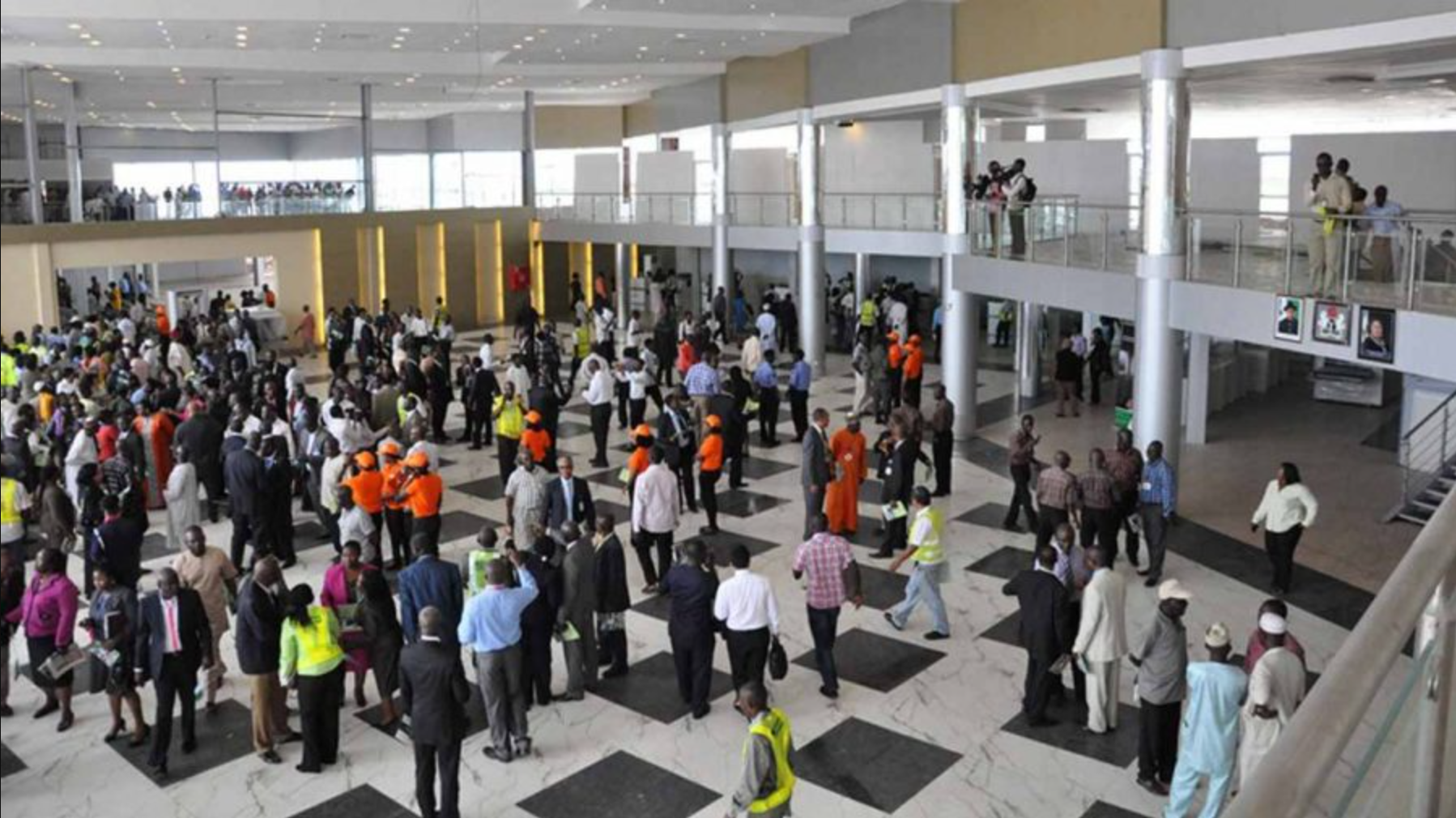

Nigerian aviation authorities are moving to strengthen penalties against disruptive passenger behaviour at airports and onboard aircraft, underscoring growing concerns over safety, operational efficiency, and the reputational risks facing the country’s aviation sector.
Industry regulators and airport operators say incidents involving aggressive conduct, verbal abuse, refusal to comply with security directives, and physical confrontations have increased pressure on airlines and aviation personnel already grappling with rising operating costs and infrastructure constraints.
The proposed tougher sanctions are expected to include heavier fines, stricter enforcement measures, possible travel restrictions, and expanded prosecution for passengers found guilty of violating aviation safety protocols. Officials argue that stronger deterrence has become necessary as passenger traffic steadily recovers and domestic air travel demand expands.
Aviation experts note that unruly behaviour can significantly disrupt airport operations, delay flights, increase security risks, and impose additional financial burdens on airlines. In severe cases, disruptive passengers can force flight diversions or emergency responses, leading to costly operational setbacks.
The move aligns Nigeria more closely with global aviation enforcement trends, where regulators in the United States, Europe, and parts of Asia have adopted zero-tolerance approaches toward passenger misconduct. International aviation authorities have increasingly warned that aggressive behaviour onboard aircraft poses serious safety threats not only to cabin crew but also to other passengers.
In Nigeria, stakeholders within the aviation industry argue that enforcement has historically been inconsistent, allowing some offenders to evade meaningful punishment. Analysts say clearer regulatory frameworks and stronger coordination among airport security agencies, airlines, and law enforcement bodies could help improve compliance.
The aviation sector remains strategically important to Africa’s largest economy, supporting business travel, tourism, trade, and regional connectivity. Any deterioration in passenger discipline or airport security standards risks undermining investor confidence and slowing broader sector development.
Airline operators have also expressed concern about the psychological and operational strain placed on crew members handling disruptive incidents. Cabin crew unions globally have repeatedly called for stronger legal protections and stricter prosecution of offenders, particularly following the post-pandemic surge in passenger-related conflicts seen across international markets.
Industry observers say public awareness campaigns may become equally important alongside stricter sanctions. Educating passengers about aviation regulations, security procedures, and behavioural expectations could reduce avoidable confrontations and improve the travel experience.
While details of the proposed measures are still emerging, analysts believe firmer enforcement could ultimately strengthen confidence in Nigeria’s aviation ecosystem. For regulators, the challenge will be balancing passenger rights with the need to maintain safety, order, and operational reliability across increasingly busy airports.
As Nigeria seeks to modernise its aviation industry and attract greater investment into airport infrastructure and air transport services, maintaining discipline within airport environments is likely to become an increasingly important policy priority.