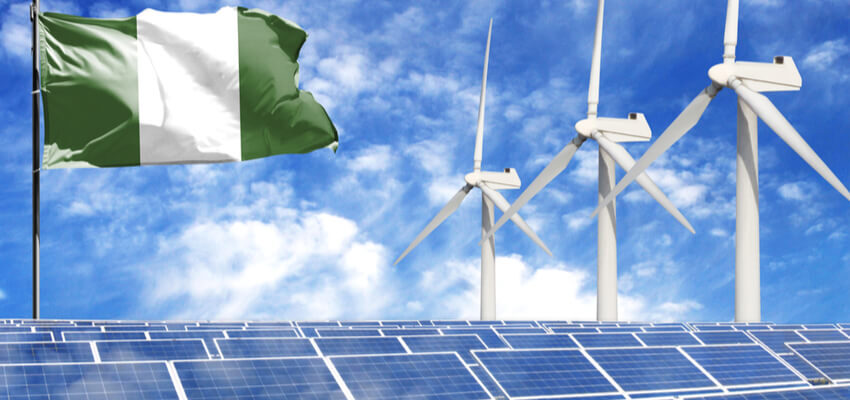

Nigeria is set to accelerate access to clean electricity after the Rural Electrification Agency (REA), First City Monument Bank (FCMB), UK Partnering for Accelerated Climate Transitions (UK PACT), and other development partners unveiled a $188 million financing initiative aimed at expanding renewable energy access across the country.
The financing package is expected to support off-grid and decentralized energy projects, particularly in underserved rural communities and areas with limited access to the national grid. The initiative comes as Africa’s largest economy grapples with chronic electricity shortages, rising energy costs, and mounting pressure to transition toward cleaner energy sources.
The REA said the funding would help bridge Nigeria’s energy access gap by scaling solar mini-grids, solar home systems, and productive-use energy solutions targeted at households, small businesses, healthcare centres, and educational institutions.
Nigeria, despite having an installed power generation capacity of more than 13,000 megawatts, struggles to deliver stable electricity due to transmission bottlenecks, gas supply constraints, and aging infrastructure. The World Bank estimates that more than 85 million Nigerians lack access to reliable electricity, making the country home to one of the world’s largest energy access deficits.
The new financing initiative underscores growing investor interest in Nigeria’s renewable energy sector as businesses and households increasingly seek alternatives to expensive diesel and petrol generators. Analysts say the move could also help reduce pressure on foreign exchange demand linked to fuel imports while supporting the government’s climate commitments.
FCMB’s involvement highlights the increasing role of local financial institutions in climate and sustainability financing. Nigerian banks have gradually expanded green financing portfolios as regulators and investors push for environmentally sustainable investments.
UK PACT, a climate finance programme funded by the UK government, has been active in supporting low-carbon development projects in emerging markets, including Nigeria. Its participation signals continued international backing for Nigeria’s clean energy transition despite broader macroeconomic challenges facing the country.
Industry experts say access to affordable financing remains one of the biggest barriers to renewable energy adoption in Nigeria. High interest rates, currency volatility, and limited long-term funding have historically slowed investment in solar infrastructure and mini-grid deployment.
The latest funding initiative is therefore expected to improve capital availability for renewable energy developers and stimulate private-sector participation in off-grid electrification projects.
Beyond improving electricity access, stakeholders believe the programme could generate jobs, support rural economic growth, and enhance energy security. Renewable energy investments are also increasingly viewed as critical to achieving inclusive growth and reducing dependence on fossil fuels in Africa’s most populous nation.
The initiative aligns with Nigeria’s broader energy transition strategy, which targets net-zero emissions by 2060 while expanding electricity access to millions of citizens currently excluded from the formal power system.