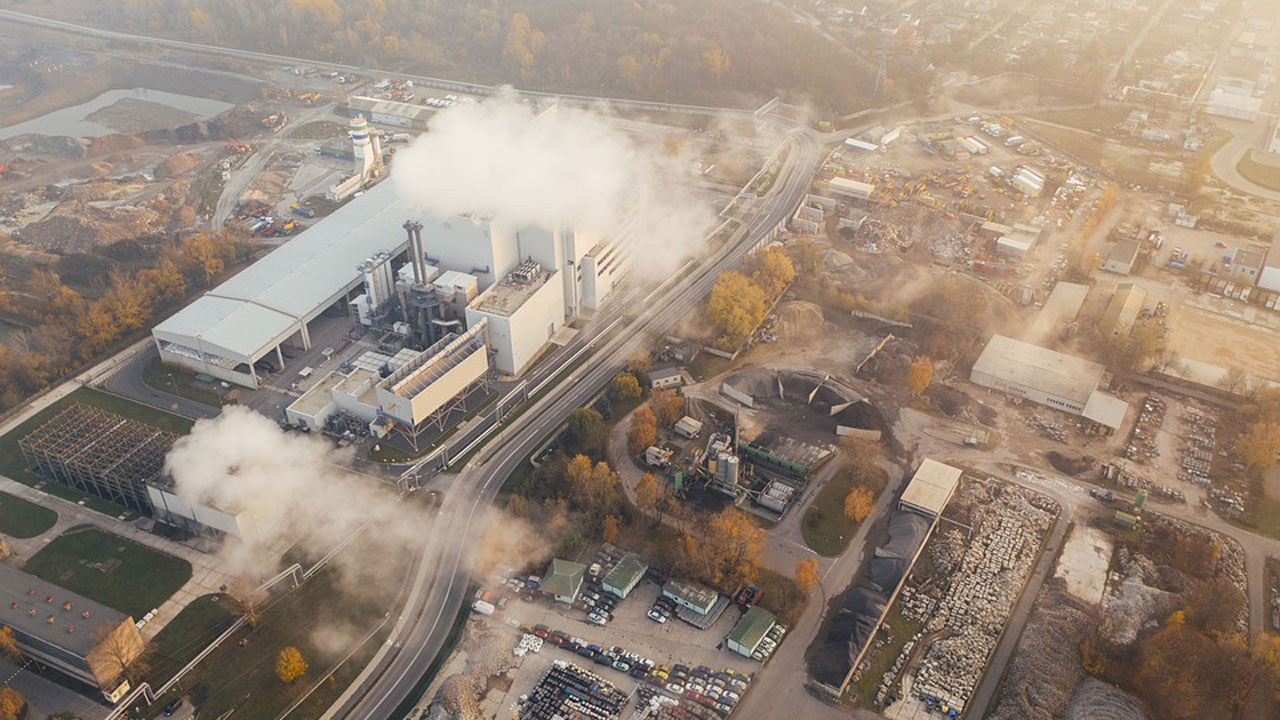

For decades, Nigeria’s industrial ambitions have rested on a carbon-intensive foundation of diesel generators, gas flaring, and inefficient manufacturing. That model is now colliding with a stark climate reality. Rising temperatures, desertification in the north, catastrophic flooding in the south, and erratic rainfall are already shaving an estimated 0.5% to 1% off annual GDP, according to the World Bank.
Yet within this crisis lies an opportunity. A growing consensus among policymakers, development finance institutions, and business leaders holds that sustainable industrialization is not an environmental luxury but an economic necessity. “Climate resilience and industrial competitiveness are two sides of the same coin,” says a Lagos-based expert. “Every dollar spent on cleaner, more efficient production is a hedge against supply chain collapses, energy price spikes, and regulatory penalties.”
The case for action is quantitative. Nigeria’s manufacturing sector accounts for less than 10% of GDP, far below peers like Vietnam or Indonesia. But its energy intensity per unit of output is among the world’s highest, meaning Nigerian factories burn more fuel to produce less value. Transitioning to gas-fired power (as a bridge fuel), solar mini-grids for industrial clusters, and energy-efficient machinery could cut operating costs, according to modeling by the Energy Commission of Nigeria.
Moreover, global value chains are rapidly decarbonising. The EU’s Carbon Border Adjustment Mechanism (CBAM), will impose tariffs on imports with high embedded emissions. For Nigerian exports, from cement and aluminium to processed agricultural goods, non-compliance could mean losing access to Europe’s €4.5 trillion market. “Sustainable industrialization isn’t just about saving the planet,” an expert said, “It’s about maintaining trade relevance.”
Domestically, the stakes are equally high. The country’s population is projected to double by 2050, demanding millions of new jobs and vastly expanded infrastructure. A green industrial strategy, prioritising renewable energy zones, circular manufacturing (e.g., recycling e-waste and plastics), and climate-adaptation industries (flood-resistant building materials, drought-tolerant agri-processing) could generate millions of formal jobs by 2030, per UNIDO estimates.
The private sector is already moving. Dangote Industries has committed to a 20% reduction in cement emission intensity by 2030. A growing number of textile and food processors in Ogun and Kano States are adopting industrial solar PV, not for altruism but for reliability bypassing a fragile national grid.
Still, execution remains the bottleneck. Fragmented grid infrastructure, inconsistent carbon pricing, and a lack of targeted financing for small and medium manufacturers hinder progress. The Central Bank of Nigeria’s manufacturing credit facility, for example, still lacks a green lending tranche. Climate adaptation budgets remain less than 3% of federal spending.
What is required is a policy pivot: treat sustainable industrialization as a national security objective. That means expedited permits for industrial-scale renewables, tax credits for energy-efficient retrofits, and a mandatory climate risk disclosure for publicly traded industrials. Nigeria has drafted a Climate Change Act, now it needs implementation and teeth.
In sum, the choice is stark. Nigeria can delay and be forced into costly, reactive decarbonisation by trade partners and climate shocks or lead with a proactive, pro-growth green industrial revolution. For a nation seeking to industrialise in the Anthropocene, sustainability is no longer a donor talking point. It is the only path to long-term prosperity.