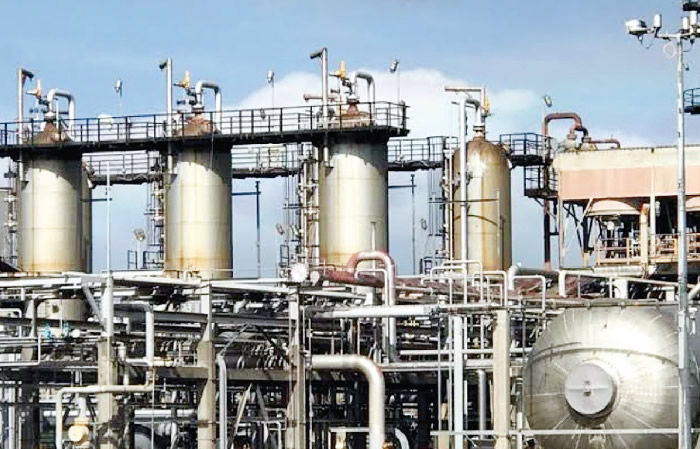

In a landmark move for Nigeria’s decentralised energy sector, Tetracore Energy Group has been awarded the first-ever power generation and distribution licences in Nasarawa State. The Nigerian Electricity Regulatory Commission (NERC) approved the permits under the 2023 Electricity Act, allowing Tetracore to build, own, and operate an embedded gas-to-power facility and a ring-fenced distribution network serving industrial clusters and select communities.
The licences mark a decisive shift from the national grid-only model toward state-level energy autonomy. Tetracore plans to deploy a 30‑megawatt (MW) gas-fired power plant fed by domestic natural gas, with an option to scale to 50 MW. The project will leverage the AKK gas pipeline corridor, which passes through Nasarawa, reducing transportation costs and supply risks.
“These licences demonstrate how state‑backed, private capital can solve Nigeria’s chronic power deficit,” said a Tetracore senior executive, speaking on condition of anonymity ahead of a formal launch. “We are not waiting for grid rehabilitation. We are delivering reliable electricity where industry needs it today.”
Nasarawa State, which currently draws less than 100 MW from the national grid despite hosting major cement, mining, and agricultural processing plants, has lost an estimated $200 million annually to self‑generation using diesel and petrol. Tetracore’s tariff will be benchmarked against avoided diesel costs, targeting a 30–40% reduction in end‑user power expenses.
Industry analysts note the implications for Nigeria’s broader gas commercialisation agenda. “Tetracore’s model is replicable across gas‑rich but power‑poor states,” said Ayodele Oni, energy partner at Bloomfield Law Practice. “The licence structure incentivises local distribution without legacy utility debt. It’s a template for the Electricity Act’s embedded generation provisions.”
The company has secured a gas sales agreement with a midstream operator and is finalising engineering procurement contracts. Construction is slated to begin in Q3 2026, with first power expected within 18 months. Tetracore is also in talks with Nasarawa’s investment agency to extend distribution to a proposed Special Agro‑Processing Zone.
Market reaction was positive, with Tetracore’s dollar‑denominated infrastructure notes seeing tighter bid‑offer spreads in over‑the‑counter trading. However, risks remain: gas pricing volatility, metering adoption rates, and potential friction with the Abuja Electricity Distribution Company (AEDC), whose franchise area overlaps the licence zone. NERC has stipulated a clear ring‑fencing rule to prevent disputes.
For now, Tetracore’s licences signal a pragmatic path forward: private capital, state facilitation, and natural gas as bridge fuel. If successful, Nasarawa could become the blueprint for a truly competitive Nigerian power market, one megawatt at a time.