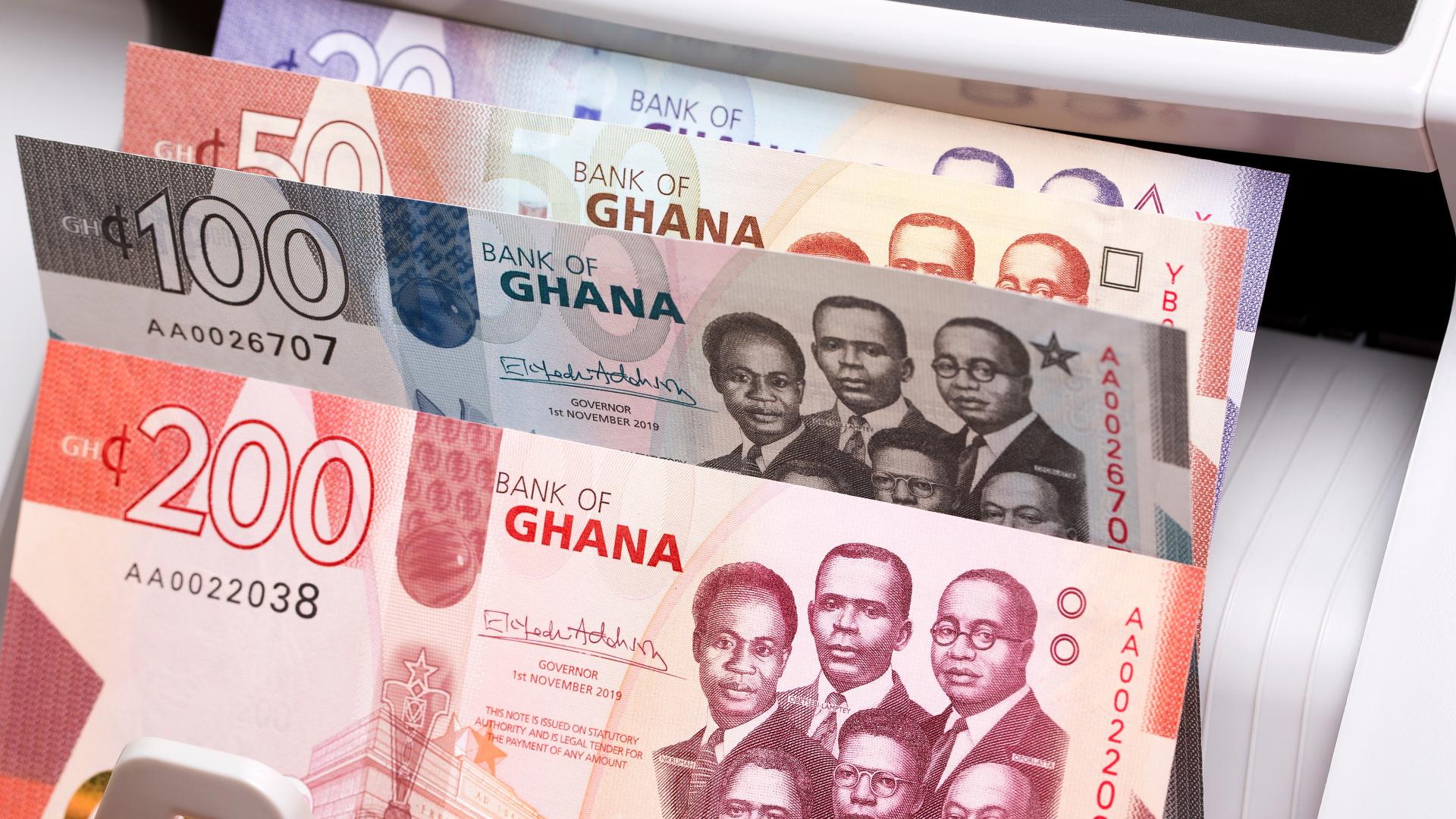

The Ghanaian cedi has recorded a dramatic rebound against the U.S. dollar in October 2025, reversing its third-quarter losses and emerging as one of Africa’s top-performing currencies this year. After depreciating by about 14 percent in the third quarter, the cedi has appreciated by roughly 16 percent since the start of October, bringing its year-to-date gains to nearly 37 percent.
Between October 13 and 17 alone, the currency surged by 9.5 percent — one of its sharpest weekly rallies in recent memory. By mid-October, commercial banks were quoting the dollar between GH¢10.70 and GH¢10.95, while forex bureaus sold at GH¢12.00 to GH¢12.40. The sudden rebound has been met with optimism in Accra’s financial circles, where traders and analysts describe it as a sign of renewed market confidence and policy credibility.
Market participants attribute the turnaround largely to the Bank of Ghana’s new foreign-exchange measures. The central bank recently switched from weekly dollar auctions to a spot-sale mechanism that allows for more flexible pricing and better liquidity management. It also reviewed banks’ Net Open Position limits, the threshold determining how much foreign currency institutions can hold at any given time, curbing speculation and stabilising dollar supply.
These policy shifts have coincided with tighter monetary conditions, improved export performance, and a gradual return of investor interest in Ghanaian assets. Rising global prices for gold and cocoa, the country’s two key exports, have strengthened dollar inflows, while remittance receipts have remained resilient. The government’s continued engagement with the International Monetary Fund (IMF) under its $3 billion support programme has also reassured investors about fiscal discipline and macroeconomic management.
The broader macroeconomic environment appears to be improving. Inflation has eased to its lowest level in more than three years, reflecting the success of the central bank’s aggressive tightening campaign earlier in the year. The Bank of Ghana’s cautious approach to interest-rate adjustments has helped stabilise prices while keeping the currency attractive to foreign investors seeking yield in African frontier markets.
This recovery stands in stark contrast to the volatility seen in 2022 and early 2023, when the cedi was among the world’s worst-performing currencies. During that period, Ghana faced high external debt, dwindling reserves, and an acute balance-of-payments crisis. The government’s subsequent restructuring of its domestic debt and the IMF’s disbursement of rescue funds marked the start of a slow but steady stabilisation process.
Analysts caution, however, that sustaining the recent appreciation will require vigilance. Ghana’s import-dependent economy remains sensitive to shifts in global oil prices and external financing conditions. A stronger cedi, while easing inflationary pressures, could undermine export competitiveness if not managed carefully. The central bank will need to strike a balance between maintaining currency stability and supporting economic growth.
Despite these risks, the current sentiment is upbeat. The cedi’s resurgence has reduced pressure on importers, improved business planning for manufacturers, and boosted consumer confidence. For ordinary Ghanaians, the slowdown in price increases has offered a brief respite after years of steep inflation and currency depreciation.
If current trends hold, 2025 could end as one of the cedi’s best years in a decade, a remarkable turnaround from the turmoil of just two years ago. For now, the focus remains on ensuring that the rally is not merely a short-term correction, but the start of a more durable era of monetary and fiscal stability in Ghana.