


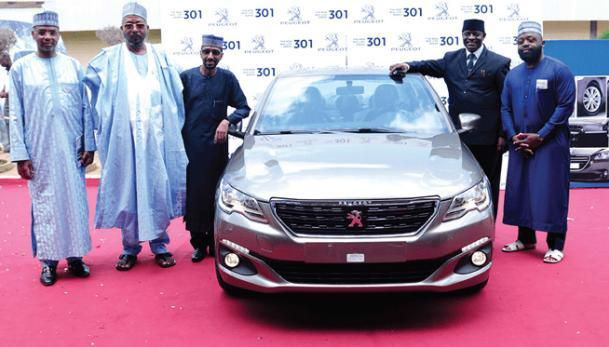

The socioeconomic topography of Nigerian households remains sharply defined by profound divisions in asset ownership and access to modern communication, according to the comprehensive data presented in the 2024 Nigeria Demographic and Health Survey (NDHS). At the heart of this report is a stark indicator of mobility and economic power: a mere one in ten Nigerian households possesses a car or a truck. This statistic, derived from a national study conducted by the National Population Commission in partnership with several international development bodies, paints a clear picture of a nation where private vehicular ownership remains a luxury inaccessible to the vast majority, serving as a critical measure of the country’s existing wealth and infrastructural disparities.
A deeper examination of the data on vehicular access reveals significant stratification across the urban-rural divide. In urban centers, 15 percent of households report owning a car or truck, a figure that is three times higher than the scant 5 percent recorded in rural areas. This gulf underscores the concentrated nature of wealth and the limitations of transport infrastructure outside of major metropolitan hubs. However, the dynamics of household mobility shift considerably when considering two-wheeled transport. The survey found that a larger proportion of households, 28 percent nationally, own a motorcycle or scooter. Crucially, this type of ownership reverses the urban advantage: motorcycles and scooters are more common in rural households (32 percent) than in their urban counterparts (23 percent). This reflects the essential role that motorbikes play in bridging the distance across poorly connected rural landscapes, serving not just as personal transport but as vital tools for commerce and livelihood where road networks are often unsuitable for four-wheeled vehicles.
Beyond the realm of transport, the NDHS also detailed the uneven spread of Information and Communication Technology (ICT) assets, which further illuminate the economic landscape. The data shows a high, almost ubiquitous, penetration of mobile phones, with a remarkable 90 percent of Nigerian households owning at least one. This ubiquity contrasts sharply with the ownership of computers, which stands at only 9 percent, indicating that while basic mobile connectivity is widespread, access to devices supporting higher-level productivity and digital literacy remains exceptionally limited. Traditional media still hold significant sway, with 46 percent of households owning a radio and 43 percent owning a television. In line with transport and wealth indicators, ownership of all ICT assets, including television, radio, and computers, is consistently higher in urban areas, reinforcing the pattern of technological concentration in cities.
The report offered a focused lens on the information and digital divide affecting women aged 15 to 49. Less than a third of women in this demographic (30 percent) report watching television at least once a week, while only a small fraction (3 percent) read a newspaper. Listening to the radio is slightly more common at 25 percent. Collectively, these figures demonstrate a profound gap in mass media consumption, as nearly six in ten women (59 percent) do not access any of these three traditional media sources on a weekly basis. When it comes to digital engagement, just over a quarter of women (26 percent) reported having used the internet in the 12 months leading up to the survey. The geographic variation in female internet usage is perhaps the most striking finding regarding the digital divide. While the megacity of Lagos boasts the highest rate of use at 72 percent, the northern state of Kebbi records the lowest, with a minimal 3 percent of women having recently accessed the internet. This staggering 69-percentage-point difference between the highest and lowest states dramatically illustrates the fragmented nature of the nation’s digital infrastructure and the concentrated challenge of ensuring equal access to information and economic opportunity. Taken together, the NDHS figures on vehicular ownership, ICT assets, and media access collectively define a Nigerian landscape marked by pronounced socioeconomic and digital fault lines, where opportunities for mobility and communication remain heavily skewed towards a privileged minority and the urban environment.


