
Sahara Power Group has said Nigeria can tackle its long standing electricity problems by adopting a digital electricity grid that improves how power is distributed across the country.
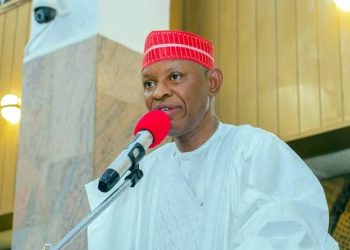
The company explained that Nigeria’s electricity challenge is no longer mainly about generating enough power, but about delivering electricity more efficiently and intelligently to homes, businesses and industries. Speaking at the IoT West Africa Conference held in Lagos, the Group Managing Director of Sahara Power Group, Dr. Kola Adesina, said digital grids could become one of the fastest ways to achieve stable electricity supply in Nigeria. He was represented at the event by Sahara Group’s Head of Human Resources, Emilomo Arorote.
According to the company, Nigeria has increased its electricity generation capacity over the years, yet many consumers still suffer blackouts because the national grid lacks real time monitoring, system intelligence and operational efficiency. Adesina explained that a digital grid uses modern technology, sensors, smart meters, automation and artificial intelligence to monitor electricity infrastructure and detect faults before they become major failures. The system can also help electricity operators forecast demand, reduce technical losses, identify power theft and improve maintenance across the network.
He noted that smart meters would improve transparency and billing accuracy for consumers, while automated systems would help operators respond faster to network problems. The company pointed to the Aba Power industrial cluster in Abia State as an example of how smart grid systems can work effectively. According to Sahara Power Group, the cluster operates a near isolated smart grid that can disconnect from the national grid within milliseconds whenever instability occurs, helping customers maintain steady electricity supply.
Sahara Power Group also highlighted examples from other African countries. In South Africa, improved grid management reportedly helped the country achieve more than 320 consecutive days without load shedding using mostly existing infrastructure. In Mozambique, smart prepaid meters helped cut electricity losses from 43 per cent to 21 per cent. The company stressed that Nigeria would need strong investment and supportive government policies to successfully deploy digital grid systems nationwide. It called for import duty waivers on critical equipment such as smart meters, sensors and battery storage systems to reduce costs and encourage adoption. Adesina also urged investors to support the electricity sector through blended financing that combines public, private and philanthropic funding.
He added that Sahara Power Group’s membership of the Mission 300 Private Sector Council reflects growing international support for private sector driven electricity solutions across Africa. The initiative aims to expand electricity access to 300 million Africans by 2030. The company further encouraged young Nigerian engineers, software developers and technology entrepreneurs to create innovative solutions that can support digital grid expansion in the country