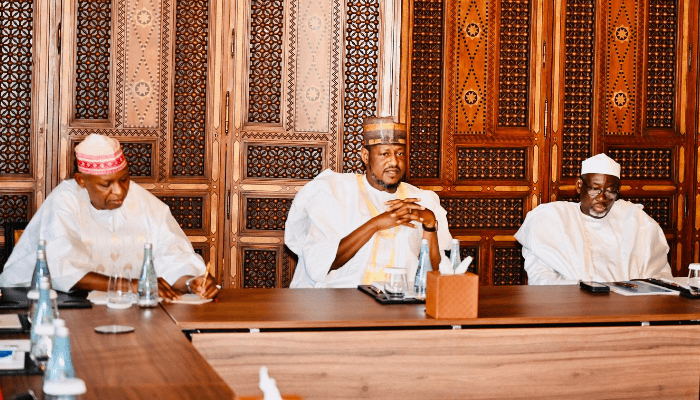

The chronic darkness that has long plagued Nigeria’s vast northern region may finally meet its match. The Governors of Kano, Katsina, and Jigawa states have launched an audacious bid to secure their energy future, pooling resources for Nigeria’s first-ever tri-state electricity market. This unprecedented regional initiative, unveiled after a summit in Marrakech, Morocco, is backed by an initial N50 billion tri-state electrification fund and marks a transformative shift toward sub-national control over power supply.
For decades, the Nigerian power sector has been synonymous with failure. From the days of the monolithic National Electric Power Authority (NEPA) to its successor, the Power Holding Company of Nigeria (PHCN), the centralized structure struggled to deliver electricity to its populace. Despite possessing vast gas and solar potential, over 90 million Nigerians lack reliable access, costing the economy billions annually. The privatization of distribution companies (DisCos) in 2013, intended to liberalize the sector, largely failed to correct systemic issues like insufficient metering, aging infrastructure, and massive technical and commercial losses.
The new regional plan is only possible due to a critical legislative reform: the Electricity Act of 2023. This landmark law finally decentralized the sector, empowering state governments to generate, transmit, and distribute power within their territories, effectively ending the federal government’s exclusive monopoly. While other states, like Enugu and Ekiti, have begun establishing independent power markets, the Kano, Katsina, and Jigawa alliance is the first coordinated regional bloc to leverage this freedom, aiming for crucial economies of scale.
Central to the tri-state strategy is an agreement to acquire direct equity stakes in Future Energies Africa (FEA), the core investor in Kano Electricity Distribution Company (Kano DisCo). This move is designed to ensure that the utility’s performance is intrinsically linked to the political and economic interests of the states it serves, driving local accountability, a major departure from the hands-off federal approach of the past.
The N50 billion public-private fund is specifically earmarked to catalyze distributed energy. It will finance renewable energy projects, mini-grids, embedded generation, and solar home systems, prioritizing rural communities and industrial hubs such as Kano’s Sharada, Katsina’s Dutsin-Ma, and Jigawa’s Gumel axis. Furthermore, the governors have pledged to collaborate with Kano DisCo to combat one of the sector’s most persistent plagues: high energy losses. By accelerating the rollout of smart meters and implementing community-based billing reforms, they intend to recover revenue and stabilize service reliability.
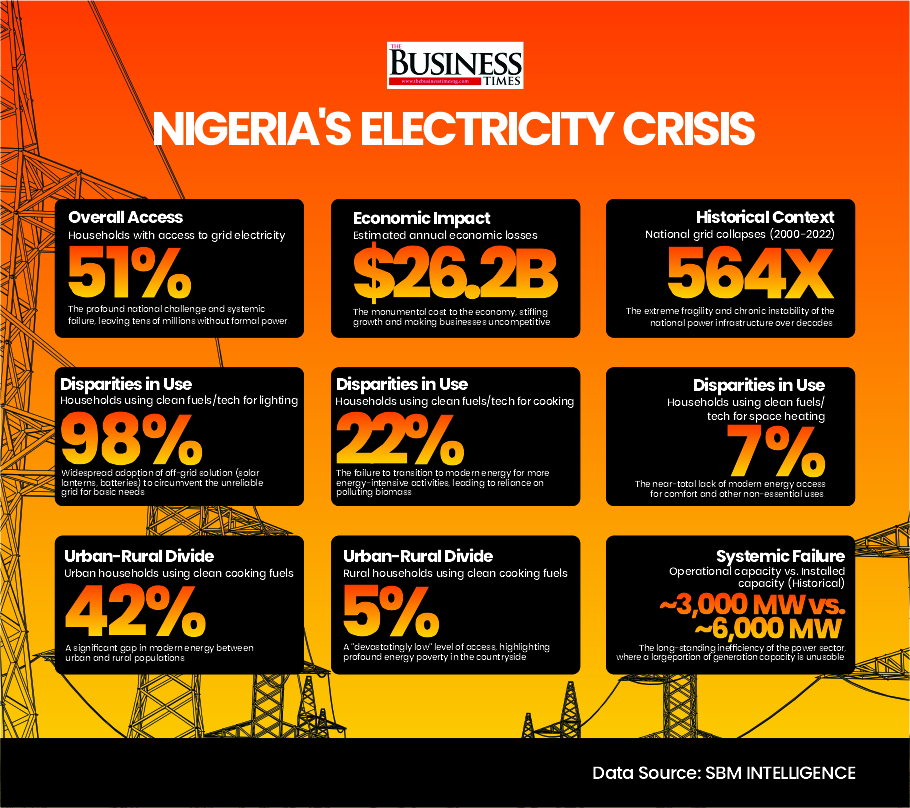
This collaboration is more than an energy policy; it is a long-term economic wager. By harmonizing regulations and pooling investments across three states, the Northwest aims to create a cohesive power ecosystem anchored on private capital, strong local governance, and renewable sources. After years of relying on a distant, failing federal grid, the governors are placing the future of the Northwest’s economy, its manufacturing potential and its path to universal energy access, firmly in their own hands.