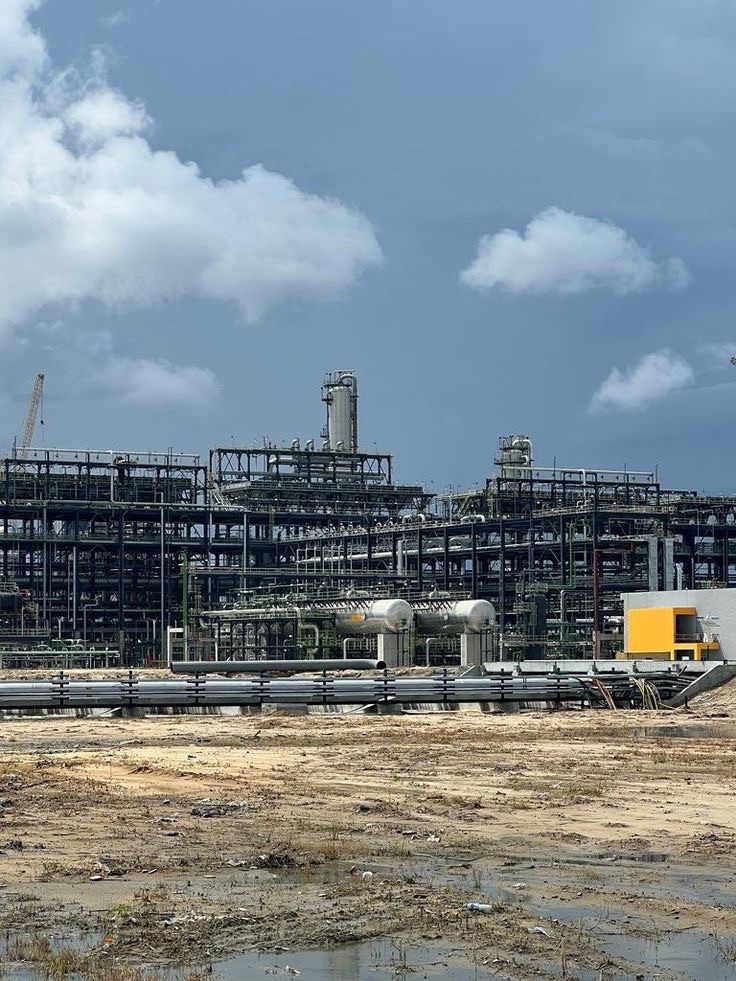

Nigeria’s oil sector faced a major setback in the first quarter of 2026, as disagreements over crude oil pricing significantly reduced supplies to local refineries.
According to the Nigerian Upstream Petroleum Regulatory Commission (NUPRC), domestic refineries received only 28.5 million barrels of crude oil during the period. This is far below the 61.9 million barrels allocated under the Domestic Crude Supply Obligation (DCSO).
Even though oil producers were willing to supply more—offering about 68.7 million barrels—the actual deliveries fell short. In simple terms, only about 46 percent of the allocated crude and 41 percent of what was offered ended up reaching local refineries.
The main reason for this gap is ongoing pricing disputes between international oil producers and domestic refiners. The NUPRC explained that crude transactions are based on a “willing buyer, willing seller” system. This means that even if crude is available, deals only go through when both parties agree on the price.
As a result, disagreements over pricing have slowed down transactions and reduced the volume of crude actually delivered.
A closer look at the figures shows how the situation played out across the first three months of the year:
January
Refineries were expected to receive 22.6 million barrels. Producers exceeded expectations by offering 25.3 million barrels. However, only 9.2 million barrels were eventually supplied.
February
Allocations dropped slightly to 20.5 million barrels, while producers offered 19.8 million barrels. Deliveries remained low at 9.1 million barrels.
March
There was a slight improvement, with 10.1 million barrels delivered. Producers offered 23.6 million barrels, far above the 18.8 million barrels allocated, but actual supply still lagged behind.
Despite the challenges, the NUPRC says it remains committed to improving crude supply to local refineries. The commission continues to enforce the Domestic Crude Supply Obligation under the Petroleum Industry Act.
The goal of this policy is to ensure that Nigerian refineries get enough crude oil to operate efficiently and reduce the country’s dependence on imported fuel.
The commission also noted that oil producers have generally complied with supply requirements by offering enough crude, and sometimes even exceeding their targets. However, market realities—especially pricing disagreements—continue to affect actual deliveries.
The situation highlights ongoing structural and commercial challenges in Nigeria’s oil sector. While policies like the DCSO were designed to boost local refining and strengthen energy security, pricing issues are slowing progress.
If these disputes are not resolved, local refineries may continue to struggle with limited crude supply, which could affect fuel production and availability in the country.
For now, improving pricing agreements and strengthening cooperation between producers and refiners will be key to ensuring that Nigeria fully benefits from its oil resources.