
The Nigerian government has ruled out a return to fuel subsidies despite the recent hike in petrol prices that has increased transport costs and driven more Federal Capital Territory residents to use public transport. Finance Minister Taiwo Oyedele stated that the government remains committed to the full deregulation of the downstream oil sector, arguing that any form of subsidy would undermine implemented reforms.
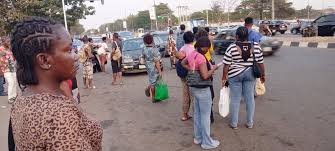
According to a Daily Trust report, the rising cost of petrol is pushing more Abuja residents to abandon private cars for public transport, leading to overcrowded buses and a 30 per cent rise in union fares in the past month. The shift, while providing a lifeline for commuters who can no longer afford their own vehicles, has strained the existing public transport system.
Despite the hardship, the government argues that deregulation will attract investment in the refining sector and lead to long-term efficiency gains. From an economic perspective, removing subsidies reallocates public funds from consumption to infrastructure and social programmes. However, the short-term impact on household budgets is severe, especially for lower-income groups. The increased reliance on public transport could be an opportunity to invest in mass transit systems, but without immediate improvements, it adds travel time and reduces comfort for residents. The situation highlights the complex trade-offs between necessary fiscal reforms and their social consequences.