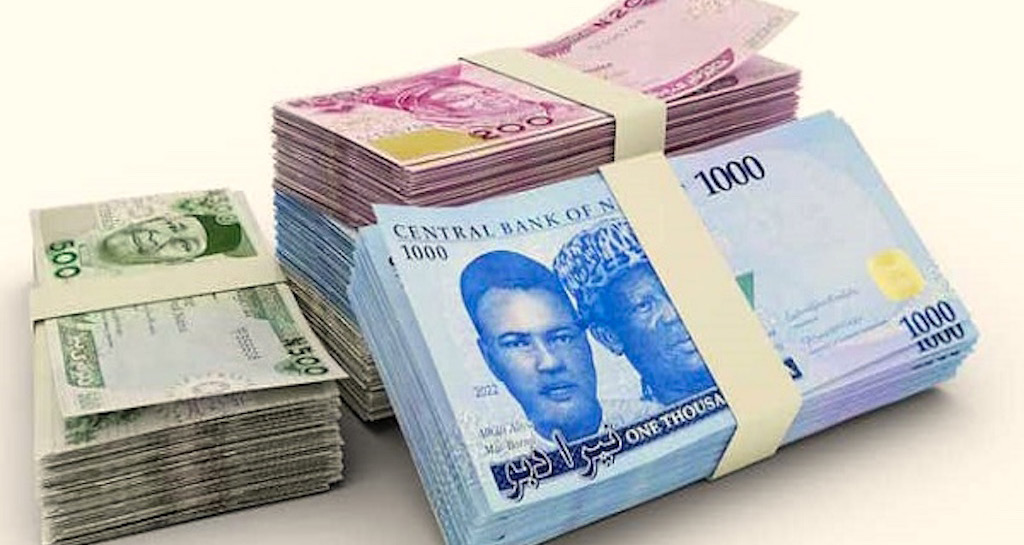

Nigeria’s currency showed signs of stabilization at the start of May, with the naira rebounding from its April lows to trade at N1,858 per British pound, reflecting improved sentiment in the foreign exchange (FX) market and a modest easing of liquidity pressures.
The recovery follows a volatile April in which the naira came under sustained pressure across both official and parallel markets, driven by tight dollar supply, elevated demand for foreign currency, and lingering concerns over capital inflows. Analysts say the latest appreciation signals a tentative shift in market dynamics, though underlying vulnerabilities remain.Market participants attribute the naira’s rebound to increased FX interventions and a gradual uptick in foreign currency inflows, including remittances and portfolio investments.
The Central Bank of Nigeria (CBN) has in recent months intensified efforts to unify exchange rates and improve transparency in FX trading, measures that appear to be yielding early results.“The move to N1,858 per pound suggests liquidity conditions are improving, albeit incrementally,” said a Lagos-based currency trader. “But the sustainability of this trend will depend heavily on consistent FX supply and investor confidence.”The British pound, often used as a benchmark for gauging the naira’s strength alongside the US dollar, reflects broader global currency movements as well as domestic economic conditions.
A stronger naira against the pound may offer marginal relief for importers and businesses with UK-linked obligations, though the impact on inflation is expected to be limited in the near term.Despite the rebound, economists caution that the naira remains structurally weak. Nigeria’s heavy reliance on imports, coupled with subdued oil production, its primary source of foreign exchange earnings continues to weigh on the currency. Additionally, external risks such as global monetary tightening and shifting investor appetite for emerging markets could reintroduce volatility.
Forward-looking indicators suggest the naira’s trajectory will hinge on policy consistency and structural reforms. Efforts to boost non-oil exports, attract foreign direct investment, and enhance FX market efficiency will be critical in sustaining any meaningful appreciation.For now, the naira’s recovery offers a degree of optimism in a market that has faced persistent uncertainty.
However, analysts broadly agree that without deeper reforms and stronger inflows, the currency’s gains may prove fragile in the face of ongoing economic headwinds.