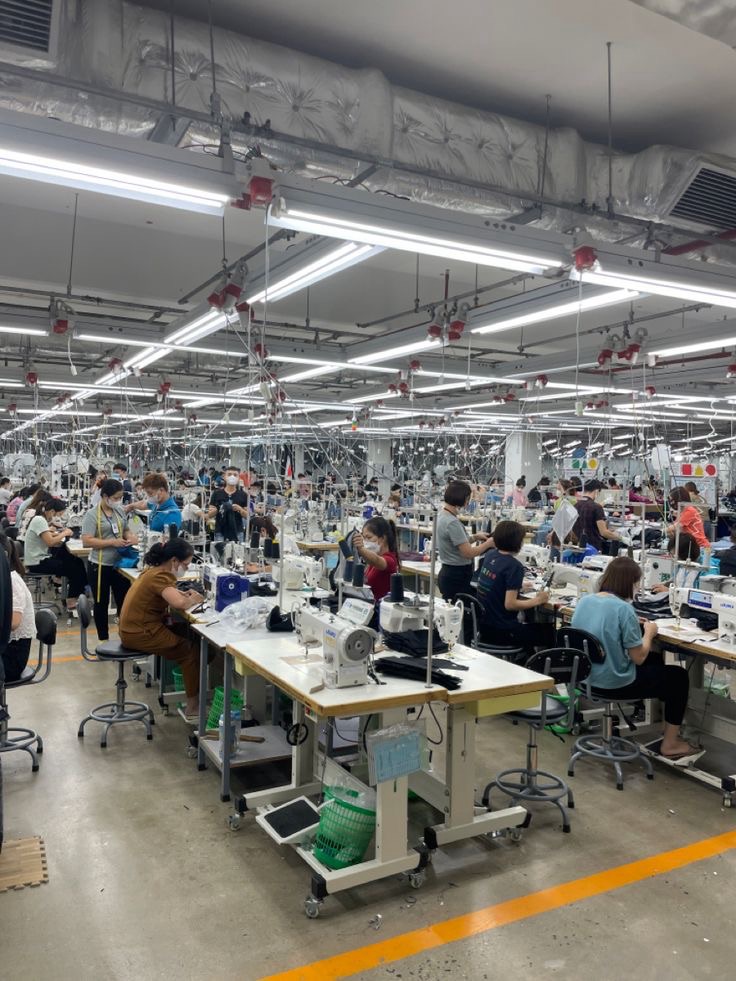

A major business forum focused on boosting Nigeria’s textile sector is set to take place in Abuja on Thursday, May 7. The event, known as the India–Nigeria Textile, Trade and Investment Business-to-Business (B2B) Forum, is being organized by the High Commission of India in partnership with the Abuja Chamber of Commerce and Industry (ACCI).
According to a statement released by the Indian High Commission over the weekend, the forum will center on the theme: “Reviving the Textile Industry in Nigeria.” It is expected to bring together key stakeholders, policymakers, and industry experts to discuss practical solutions to challenges facing the sector.
Several prominent figures are scheduled to speak at the event. These include the Indian High Commissioner to Nigeria, Abhishek Singh; the President of the Nigerian Association of Chambers of Commerce, Industry, Mines and Agriculture (NACCIMA), Dr. Jani Ibrahim; and the President of ACCI, Chief Emeka Obegolu. Others expected to contribute include Prof. Adesoji Adesugba, who serves as First Deputy President of ACCI and also acts as NACCIMA’s focal person for Indian relations.
The discussions will cover a wide range of important topics within the textile value chain. These include cotton production and sourcing, textile manufacturing processes, garment production, and the broader fashion industry. Participants will also examine advancements in textile machinery and technology, opportunities for trade and export, and ways to improve market access. In addition, there will be a strong focus on skills development and capacity building to strengthen the workforce.
For many years, the revival of Nigeria’s textile industry has remained a key goal for successive governments. Despite various policies and intervention programs, the industry has struggled to regain its past strength. Once a major contributor to employment and economic growth, the sector has yet to fully recover or reach its full potential.
Organizers of the forum believe this event could mark a turning point. By fostering collaboration between Nigeria and India, the forum aims to introduce new ideas, technologies, and investment opportunities that could help transform the sector. There is hope that such partnerships will support the government’s efforts to diversify the economy and reduce dependence on oil revenues.
The Indian High Commission highlighted the importance of the textile and garment sector in both countries. It noted that the industry plays a significant role in driving industrial growth, creating jobs, and boosting trade. While India has built a strong global reputation in textile manufacturing, exports, and technology, Nigeria has its own advantages. These include abundant cotton production, a large and growing consumer market, and increasing interest in rebuilding its textile base.
The statement emphasized that closer cooperation between the two nations could unlock opportunities across the entire value chain—from raw materials to finished products. By combining India’s expertise with Nigeria’s resources and market potential, both countries stand to benefit from a stronger and more competitive textile industry.
As anticipation builds for the forum, many stakeholders are hopeful that the discussions will lead to concrete actions that can finally revive Nigeria’s once-thriving textile sector.