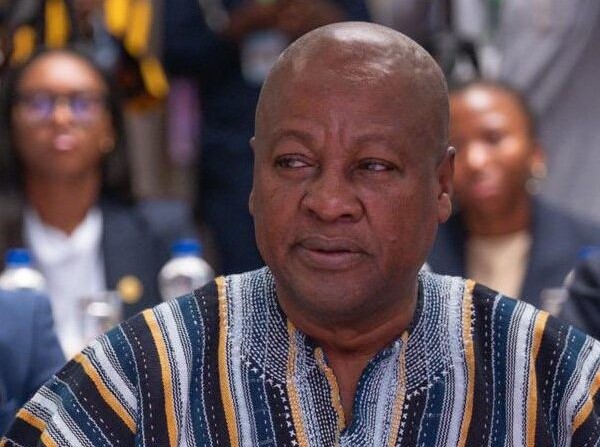

Ghana has rejected a proposed bilateral health agreement with the United States, dealing a setback to efforts under former President Donald Trump to reshape foreign aid through more transactional terms. Sources familiar with the negotiations said the government of John Dramani Mahama declined the deal over provisions that would have required the sharing of sensitive health data, a condition that clashed with Ghana’s data protection laws and sovereignty concerns.
The agreement, part of the “America First Global Health Strategy,” would have provided approximately $109 million in US health support to Ghana over five years. Similar negotiations with other countries, including Zimbabwe and Kenya, have also been disrupted. The United States Department of State declined to disclose specific details but stated that efforts to strengthen ties with Ghana continue.
The rejection highlights growing tensions around data sovereignty, as African governments become more protective of citizen information and wary of provisions that could give foreign powers access to health records, epidemiological data, or personal identifiers. For Ghana, which has made strides in digital identity and health information systems under its national agenda, ceding control of sensitive data was evidently a step too far.
From an economic perspective, the decision carries both risks and opportunities. Losing $109 million in health funding over five years could strain Ghana’s public health budget, particularly for programmes tackling malaria, HIV/AIDS, and maternal health. The government may need to reallocate domestic resources or seek alternative donors. However, standing firm on data sovereignty could strengthen Ghana’s credibility as a partner that respects its own laws and protects its citizens, potentially attracting investment in digital health infrastructure from other allies.
The episode also reflects a broader shift in US‑Africa aid relationships, with Washington increasingly demanding reciprocity and alignment with American strategic interests. For Ghana, the calculus was clear: preserving control over health data outweighed the immediate financial benefit. The move may embolden other African nations to push back against similar provisions in future negotiations.