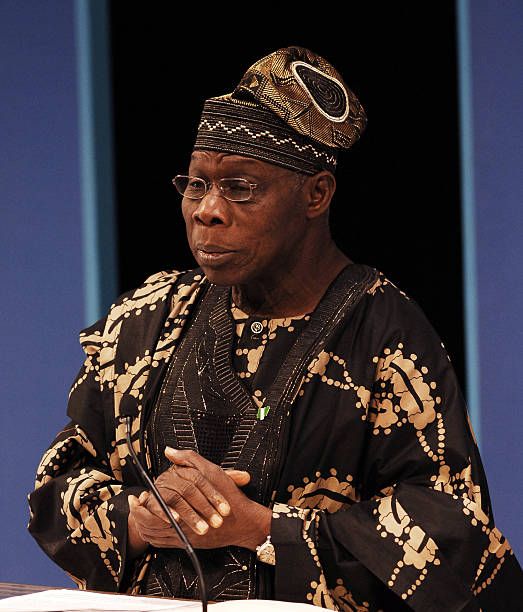

Former President Olusegun Obasanjo has reiterated his doubts about the viability of Nigeria’s state-owned refineries, insisting they may never function effectively again.
Obasanjo made this statement during as he spoke on the persistent challenges facing the country’s oil sector. Reflecting on years of failed reforms, he stated categorically that “NNPC refineries will never work again.
“According to him, the core problem lies in continued government ownership and control. He explained that as long as the refineries remain under state management, efficiency and accountability will remain difficult to achieve. In his words, the system discourages capable investors and operators who could otherwise improve performance.
Recounting his time in office, Obasanjo revealed that he had once attempted to involve private sector players in managing the refineries. He said he invited international oil companies, including Shell, to take over operations, but they declined. Their refusal, he noted, was based on concerns about corruption, poor profitability, and structural inefficiencies within the system. The former president also disclosed that local investors once showed interest in acquiring stakes in the refineries, but the deal was eventually cancelled by his successor. Since then, he believes little progress has been made, despite significant financial investments aimed at rehabilitation.
Nigeria currently operates four major refineries located in Port Harcourt, Warri, and Kaduna under the Nigerian National Petroleum Company Limited. Over the years, billions of dollars have been spent on repairs and maintenance, yet the facilities continue to perform below expectations or remain inactive.
Obasanjo argued that these repeated efforts have not addressed the fundamental issues affecting the refineries. Instead, he suggested that privatization or full private-sector participation would have been a more effective solution.His comments have once again sparked debate about the future of Nigeria’s refining sector. While the government continues to pursue partnerships and restructuring strategies to revive operations, critics like Obasanjo remain skeptical about their success.As discussions continue, his position highlights a broader concern: whether Nigeria should keep investing in state-owned refineries or finally shift towards private-led solutions for long-term sustainability.