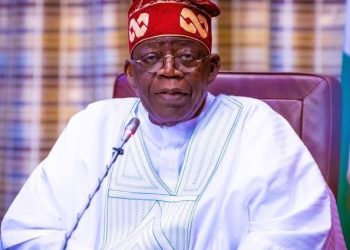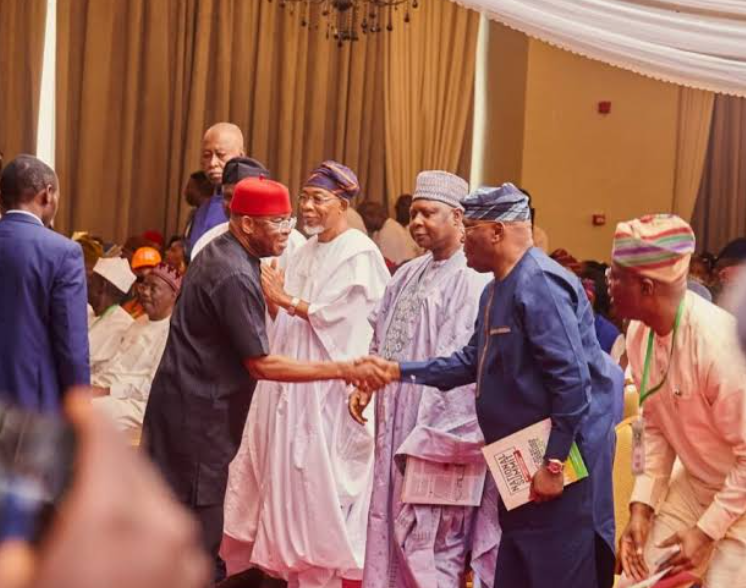

Opposition parties in Nigeria have agreed to present a single presidential candidate for the 2027 election, in a major push to challenge President Bola Tinubu and the ruling All Progressives Congress. The decision was announced after a national summit in Ibadan, where leaders across parties pledged to unite in what they described as a mission to “rescue” the country. Key figures including Atiku Abubakar and Peter Obi backed the move, calling for a stronger, coordinated opposition front.
The coalition raised concerns about the role of the Independent National Electoral Commission, questioning its neutrality ahead of the polls. They urged lawmakers to review parts of the Electoral Act and extend deadlines for party primaries. Opposition leaders also called for the release of detained politicians and vowed to resist any attempt to undermine Nigeria’s multi-party democracy, while urging citizens to support efforts toward credible elections.
From a political economy perspective, a united opposition could alter the dynamics of the 2027 presidential race. In 2023, the fragmented opposition allowed the APC to secure victory with a plurality rather than a majority of votes. A single candidate would concentrate opposition votes and potentially force a run-off if no candidate meets the constitutional requirement of 25 percent in two-thirds of states. However, the history of opposition coalitions in Nigeria is fraught with challenges, including disagreements over candidate selection, policy platforms, and power-sharing arrangements.
The credibility of the coalition will depend on its ability to translate summit declarations into actionable agreements. Voters who have grown disillusioned with both major parties may be receptive to a unified alternative, but only if the opposition demonstrates policy coherence and a commitment to governance beyond electoral contestation. The coming months will test whether the coalition can overcome internal rivalries and present a viable programme that addresses Nigeria’s economic insecurity, infrastructure deficits, and institutional weaknesses.