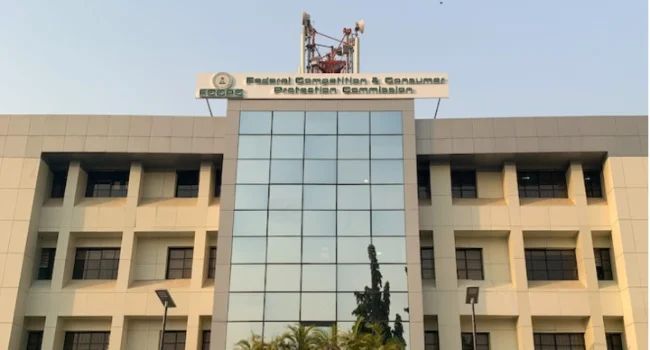

The Federal Competition and Consumer Protection Commission has moved to correct widespread misinformation suggesting that airtime borrowing and data advance services have been banned in Nigeria.
In a fresh statement, the agency made it clear that such claims are false and misleading. According to the Commission, “the Commission has not prohibited airtime borrowing or data advance services, and no directive was issued preventing consumers from accessing lawful telecom value added services.”
The clarification came after confusion spread across social media and some news platforms, leaving many Nigerians worried about losing access to services that allow them to borrow airtime or data when needed. These services are widely used, especially by prepaid subscribers who rely on them during emergencies or when they run out of credit.
Addressing the issue, the Commission explained that its attention had been drawn to “a series of newspaper publications and a viral anonymous post on social media seeking to create the impression that the Commission cancelled, shut down, or banned airtime borrowing and data advance services in Nigeria.”
It stressed that “those claims are incorrect,” urging the public to disregard such misleading reports.
Rather than imposing a ban, the FCCPC said its recent actions are part of efforts to regulate the sector and protect consumers. The agency introduced the DEON Consumer Lending Regulations in July 2025 after receiving numerous complaints from users.
These complaints included hidden charges, unexplained deductions, aggressive debt recovery methods, and poor transparency from service providers. The Commission said the new rules are designed to address these issues and ensure fairness in the system.
It explained that the regulations aim to promote accountability and transparency by requiring proper registration of service providers, clear disclosure of terms and charges, and better protection of consumer data. The goal is to create a more reliable and consumer friendly environment for digital lending and telecom related credit services.
The FCCPC also pointed out that some telecom operators have not fully complied with the new guidelines despite being given enough time. Initially, companies were allowed a 90 day period to adjust to the new rules, which was later extended to January 2026. However, compliance remained incomplete in some cases.
As a result, any recent disruptions in airtime or data credit services should not be seen as a government ban. Instead, the Commission clarified that such changes are decisions made by telecom operators themselves.
In its words, “any temporary suspension, restriction, or operational change introduced by service providers should therefore be understood as a business or compliance decision by those operators, not a ban imposed by the FCCPC.”
The agency also suggested that some of the misinformation may have been spread deliberately by parties opposed to the reforms. It described such actions as attempts to mislead the public and undermine efforts to create a fair market.
Reassuring Nigerians, the FCCPC emphasized its commitment to protecting consumers while encouraging innovation and healthy competition in the telecom sector. It urged citizens to rely on verified information and ignore sensational claims.
Ultimately, the message from the regulator is clear: airtime borrowing and data advance services are still available in Nigeria, but they must operate under rules that protect users from unfair practices.