
The heads of the International Energy Agency, International Monetary Fund, and World Bank Group have committed to ensuring a resilient recovery for member countries affected by the Middle East crisis, as the conflict continues to disrupt global energy markets, food supply chains, and economic stability. The institutions made this known in a joint statement on Monday following a meeting of the coordination group established in April to maximise their collective response to the war’s energy and economic impacts.
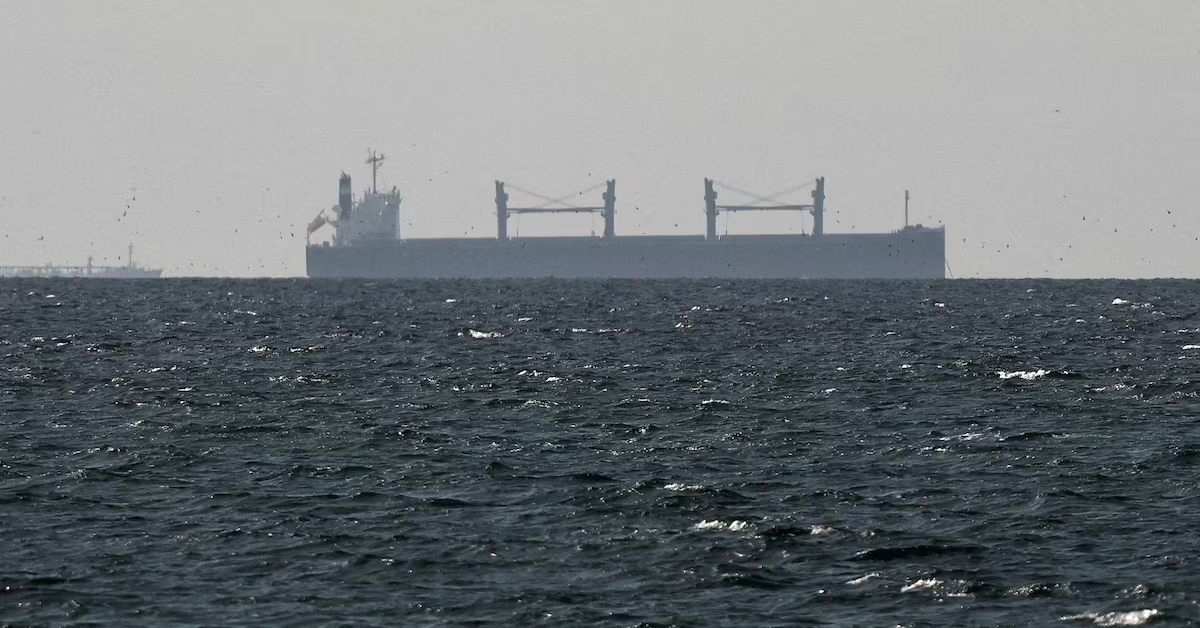
The statement noted that the impact of the war is substantial, global, and highly asymmetric, disproportionately affecting energy importers, particularly low-income countries. The shock has led to higher oil, gas, and fertiliser prices, triggering concerns about food security and job losses, while some oil and gas producers in the Middle East have also experienced a dramatic loss of export revenue. The situation remains very uncertain, with shipping through the Strait of Hormuz yet to normalise.
The institutions warned that even after a resumption of regular shipping flows through the Strait, it would take time for global supplies of key commodities to move back towards their pre-conflict levels. Prices of fuel and fertiliser may also remain high for a prolonged period given the damage to infrastructure. Due to supply disruptions, shortages of key inputs are likely to have implications for energy, food, and other industries. The war has also forcibly displaced people, impacted jobs, and reduced travel and tourism, effects that may take significant time to reverse.
For African economies, the crisis presents a compounded challenge. Many countries on the continent are net importers of both fuel and food, leaving them exposed to simultaneous price shocks. Higher fertiliser costs threaten agricultural productivity at a time when food security was already precarious due to climate shocks and supply chain disruptions. The IEA, IMF, and World Bank coordination group is designed to provide tailored policy advice and, in the case of the IMF and World Bank, financial support where needed.
The institutions stated that they would continue to monitor closely and assess the impact of the war on energy markets, the global economy, and individual countries, while coordinating their response and support to member countries. They also committed to working with and drawing on other international organisations’ expertise as needed to lay the foundations for a resilient recovery that delivers stability, growth, and jobs.