
Friday, September 18, 2026
  • Login
No Result
View All Result
The Business Times
  • News
  • BT Exclusive
  • Economy
  • Business
  • Financial Markets
  • Politics
  • Energy
  • Insights
  • Sports
  • News
  • BT Exclusive
  • Economy
  • Business
  • Financial Markets
  • Politics
  • Energy
  • Insights
  • Sports
No Result
View All Result
The Business Times
No Result
View All Result
Home Energy

OPEC+ Warns of Supply Risks as Iran Attacks Disrupt Oil Infrastructure

byUchechukwu Ejezie
April 8, 2026
in Energy, Global News
0
OPEC+ Pauses Oil Output Hikes Amid Market Surplus and Venezuelan Turmoil
16
VIEWS
Share on FacebookShare on Twitter

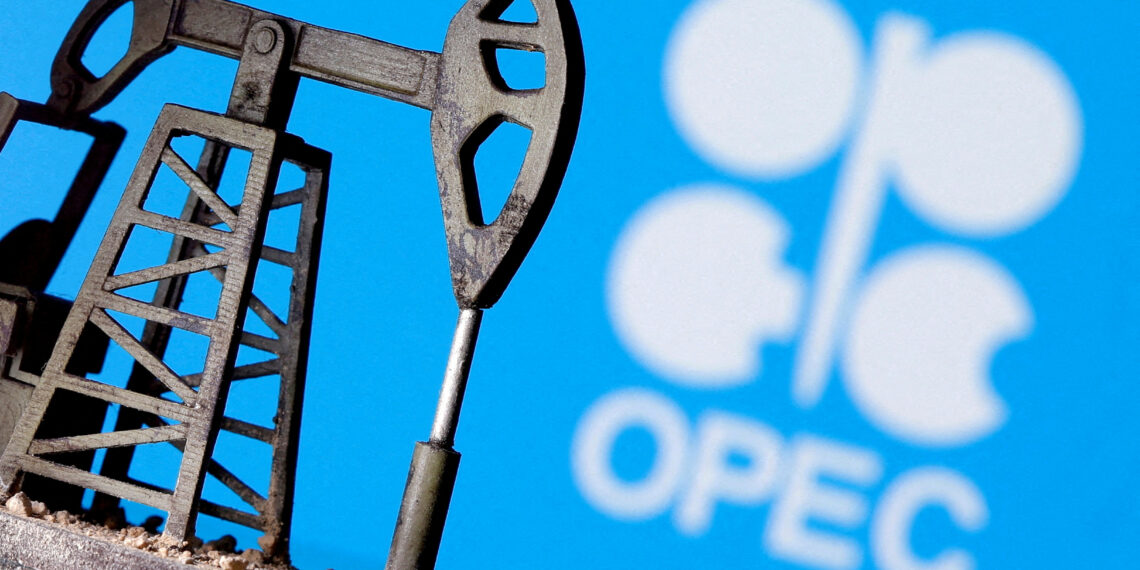
Eight key members of the OPEC+ alliance have raised alarm over disruptions to global energy supply following attacks on oil infrastructure linked to Iran amid the ongoing Middle East conflict.

In a joint statement issued after a virtual meeting, the countries warned that damage to critical energy facilities could have lasting effects on oil availability. “Restoring damaged energy assets to full capacity is both costly and takes a long time, thereby affecting overall supply availability,” the group said.

The producers also stressed the need to protect vital shipping routes, particularly the Strait of Hormuz, a key corridor for global oil transport that has been partially blocked following escalating tensions involving the United States and Israel.

The bloc, comprising Saudi Arabia, Russia, Iraq, United Arab Emirates, Kuwait, Kazakhstan, Algeria, and Oman, announced plans to increase oil output by 206,000 barrels per day in May.

However, analysts say the planned increase may have limited impact on the market, as supply disruptions, not production capacity, remain the primary challenge due to restricted shipping routes.

The Strait of Hormuz, which handles about 20 percent of global oil trade, has become a critical chokepoint, significantly constraining exports.

According to Carsten Fritsch, an analyst at Commerzbank, much of the available oil supply is currently being absorbed by Asian markets. “Asia is currently sucking everything up like a vacuum cleaner,” he said, pointing to strong demand from China, Japan, and South Korea.

Meanwhile, U.S. President Donald Trump has encouraged countries facing shortages to turn to the United States for supply, though the broader impact on global prices remains uncertain.

Industry observers note that oil prices are being driven largely by constrained supply rather than demand factors, limiting the effectiveness of alternative sourcing options.

Data from the International Energy Agency indicates that Gulf producers have already cut output by at least 10 million barrels per day, nearly 10 percent of global demand, due to storage limitations caused by restricted shipping through the Strait of Hormuz.

The ongoing disruptions underscore the vulnerability of global energy markets to geopolitical tensions, with supply chain bottlenecks emerging as a key risk to stability.

Tags: Crude Oil PricesGlobal EnergyInternational Energy AgencyIranMiddle East conflictOil SupplyOPEC+Strait of Hormuz
Uchechukwu Ejezie

Uchechukwu Ejezie

Next Post
NNPC’s Downstream Overhaul Marks a Strategic Shift Toward Collaboration and Energy Transition

NNPC Doubles Crude Oil Supply to Dangote Refinery

Leave a Reply Cancel reply

Your email address will not be published. Required fields are marked *

Recommended

Abia Plans ₦1.016 Trillion 2026 Budget, A Bold Push for Infrastructure, Education, and Growth

10 months ago
Access Bank, King’s Trust Partner to Expand Youth Empowerment Across Africa

Access Bank, King’s Trust Partner to Expand Youth Empowerment Across Africa

6 months ago

Popular News

  • PalmPay Urges Stronger Payment Infrastructure at PAFON 3.0

    Naira Weakens to ₦1,331/$ as Official–Parallel Gap Widens to ₦44

    0 shares
    Share 0 Tweet 0
  • 45,000-Litre Petrol Tanker Overturns in Epe, No Casualty Recorded

    0 shares
    Share 0 Tweet 0
  • World Bank Mobilises $22bn Private Capital for Africa, Approves $1.25bn Nigeria Financing

    0 shares
    Share 0 Tweet 0
  • FG Commits ₦10.5bn to Digital Training Academy, Targets 32,000 Nigerians

    0 shares
    Share 0 Tweet 0
  • Freelancing vs Full-Time Employment

    0 shares
    Share 0 Tweet 0

Connect with us

Facebook Twitter Instagram TikTok

Newsletter

Pages

  • About Page
  • Contact
  • Domestic Gas Sales Rise 30% as Nigeria’s Energy Reforms Gain Traction
  • Privacy Policy
  • Terms & Conditions

Navigation

  • News
  • BT Exclusive
  • Economy
  • Business
  • Financial Markets
  • Politics
  • Energy
  • Insights
  • Sports

© 2025 The Business Times NG .

Welcome Back!

OR

Login to your account below

Forgotten Password?

Retrieve your password

Please enter your username or email address to reset your password.

Log In
No Result
View All Result
  • Home
  • News
  • BT Exclusive
  • Economy
  • Business
  • Financial Markets
  • Politics
  • Energy
  • Insights
  • Sports

© 2025 The Business Times NG .