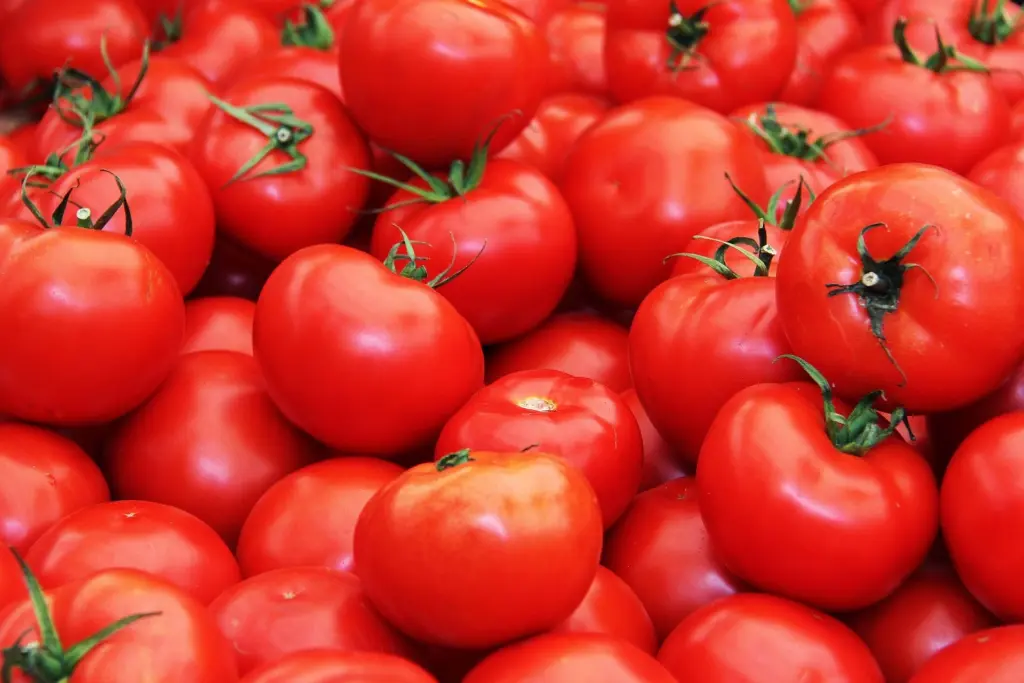

The Ghana Chamber of Agribusiness has called on the Ghana government to suspend imports of key agricultural products, particularly tomatoes, to boost local production and support its 24-hour economy agenda. Chief Executive Officer Anthony Morrison said rising import volumes are weakening domestic agriculture, costing jobs, and limiting investment opportunities, describing the trend as unsustainable for a country with significant agricultural potential.
Morrison noted that Ghana spends nearly $600 million annually on fresh tomato imports and over $800 million on processed tomato products. These substantial outflows of foreign exchange represent resources that could be redirected to support local farmers, processors, and related industries if import substitution policies were implemented effectively. The proposal comes amid renewed focus on strengthening local supply chains and reducing import dependence, aligning with broader industrialisation goals.
From an economic perspective, the suspension of tomato imports would have immediate and significant effects. Domestic farmers would face increased demand for their produce, potentially leading to higher prices and greater profitability. This could incentivise expanded cultivation, investment in storage and processing facilities, and the creation of jobs along the value chain. However, consumers would likely face higher prices for tomatoes and tomato based products in the short term, as local production may not immediately fill the gap left by imports.
The proposal also has implications for Ghana’s trade relationships. As an ECOWAS member, Ghana is bound by protocols that promote free trade within the region. A unilateral suspension of tomato imports could be challenged by other member states, particularly Burkina Faso, which has historically supplied tomatoes to Ghanaian markets. The recent tomato import ban by Burkina Faso, which was later reversed, demonstrates the sensitivity of such measures and the potential for retaliatory actions.
The Chamber’s call for import restrictions is part of a broader debate about the role of trade policy in agricultural development. Proponents of protectionism argue that infant industries need temporary shielding from international competition to develop capacity. Opponents counter that protectionism leads to inefficiency, higher prices for consumers, and retaliatory measures. The optimal policy likely lies somewhere in between, with targeted support for local farmers, investment in infrastructure, and gradual import substitution rather than abrupt bans.
The success of any import suspension would depend on the readiness of local farmers and processors to meet domestic demand. Ghana’s tomato production is seasonal, and post harvest losses are significant due to inadequate storage and processing facilities. Without parallel investments in cold chains, processing plants, and market linkages, an import ban could lead to shortages and price spikes during lean seasons.