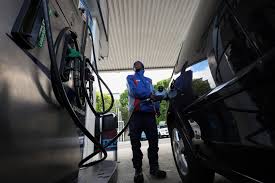

South Africa will cut its fuel levy in April to cushion consumers from rising oil prices, Finance Minister Enoch Godongwana has announced, as the government moves to limit the impact of a sharp surge in global crude costs. The government plans to reduce the levy by 3 rand per litre on both petrol and diesel, with further relief measures under consideration for the following months.
The move comes as global crude prices have surged, driven by geopolitical tensions including recent U.S.-Israel attacks on Iran, which have pushed oil prices up by nearly 50 per cent. A weaker rand has compounded the pressure on domestic fuel prices, with petrol expected to rise sharply and diesel costs increasing even faster. The combination of higher global prices and currency depreciation threatens to accelerate inflation and weigh on consumer spending.
Authorities are acting to limit the impact on inflation and economic growth. South Africa’s central bank targets inflation at 3 per cent, and sustained increases in fuel costs could push price growth above this threshold, potentially requiring monetary policy responses. The government has projected economic growth of 1.6 per cent for the year, a forecast that could be jeopardised if higher fuel costs reduce household disposable income and increase operating expenses for businesses across transport-intensive sectors.
The levy cut mirrors similar steps taken in 2022 following Russia’s invasion of Ukraine, when the government temporarily reduced fuel levies to ease price shocks. However, the fiscal trade-off is significant: fuel levies represent a substantial source of government revenue, and reductions widen the fiscal deficit unless offset by spending cuts or other revenue measures. The government has indicated it is exploring options to manage the fiscal impact while providing relief to consumers.
For businesses, higher fuel costs translate into increased transport expenses, higher input costs for manufacturers, and compressed margins for retailers. Sectors such as agriculture, logistics, and mining, which rely heavily on diesel-powered equipment and transport, are particularly exposed. The levy reduction provides some relief but does not fully insulate these sectors from global price movements.
From a broader energy policy perspective, the episode underscores South Africa’s vulnerability to external shocks given its reliance on imported petroleum products. While the country has significant coal reserves, its refining capacity has declined in recent years, increasing dependence on imports. The situation may renew attention to energy security considerations, including potential investments in refining capacity and accelerated transitions to electric vehicles and renewable energy sources.
As the global oil market remains volatile, the government’s ability to sustain relief measures will depend on fiscal conditions and the duration of high prices. The central bank will be watching inflation expectations closely, and further policy responses may be required if price pressures persist.