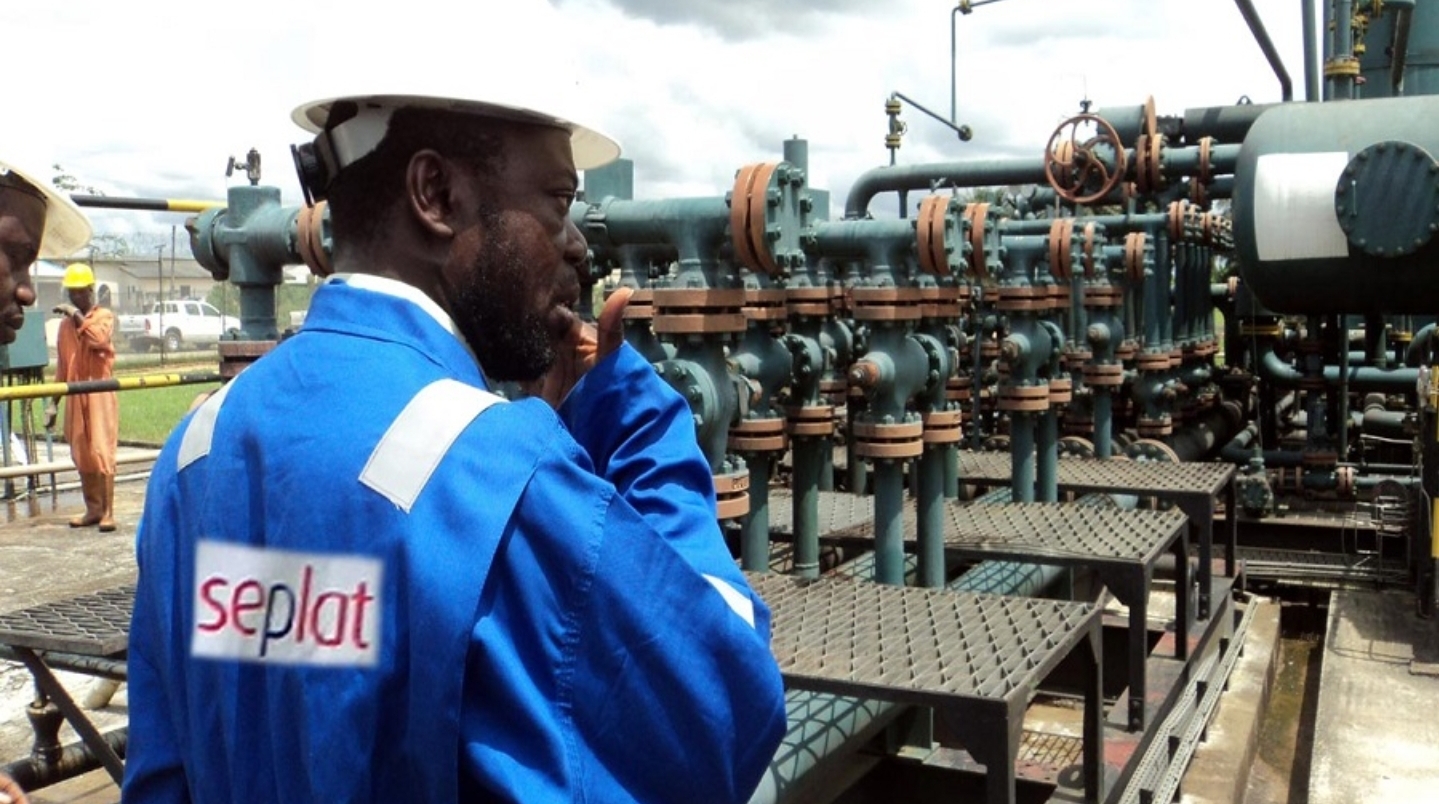

The Nigerian Midstream and Downstream Petroleum Regulatory Authority has announced a new increase in the domestic price of natural gas, setting it at $2.18 per million British thermal units, with implementation scheduled to begin in April 2026.
This latest adjustment reflects the government’s continued effort to maintain a market driven pricing system in Nigeria’s gas sector. The pricing structure is guided by the provisions of the Petroleum Industry Act, which empowers the regulator to periodically review and set prices for gas supplied to key sectors of the economy.
The new price represents a slight increase when compared to the previous rate of $2.13 per MMBTU introduced in April 2025. At that time, the regulator had reduced the price to ease the financial burden on power generation companies and improve liquidity within the energy sector.
By raising the price again to $2.18/MMBTU, the authority appears to be balancing two key objectives: ensuring adequate gas supply and keeping the domestic market attractive for investors. The regulator has consistently maintained that gas pricing must remain competitive with international benchmarks while also reflecting the cost of production and supply.
According to the framework guiding these decisions, the price of natural gas in Nigeria is not set arbitrarily. Instead, it is influenced by several important factors, including global market trends, cost of supply, and the need to encourage upstream producers to supply enough gas for domestic use.
Historically, Nigeria has adjusted gas prices multiple times in recent years. In 2024, the domestic base price was raised from $2.18 to $2.42/MMBTU for the power sector, marking a significant increase aimed at improving supply and attracting investment into the gas value chain. However, the price was later reduced in 2025 before this latest upward revision for 2026.
The implications of this new increase are likely to be felt across several sectors, especially electricity generation. Nigeria relies heavily on gas fired power plants, with a large portion of its electricity generated from natural gas. As a result, any change in gas pricing often has a direct or indirect impact on electricity costs and overall energy pricing in the country.
For manufacturers and other industrial users, the adjustment could also influence production costs, particularly for businesses that depend on gas for power or processing activities. While the increase may be modest, it adds to the broader cost considerations within Nigeria’s energy and industrial landscape.
Despite these concerns, the regulator continues to emphasize that a cost reflective pricing system is essential for long term sustainability. By aligning domestic gas prices with global realities, the government aims to create a more stable and investor friendly environment that can support growth in the gas sector.
Ultimately, the new pricing regime underscores Nigeria’s ongoing transition toward a more market oriented energy system. While short term effects may include cost adjustments for consumers and businesses, the long term goal remains to ensure reliable gas supply, encourage investment, and strengthen the country’s overall energy security.