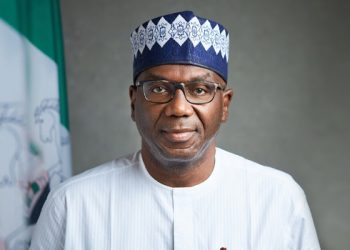
The Minister of Livestock Development, Idi Mukhtar Maiha, has called for the support of stakeholders in the transformation of Nigeria’s livestock sector, emphasising the sector’s potential to drive economic growth, enhance food security, and create employment opportunities across the country. The minister made the appeal during a stakeholder engagement session in Abuja, where he outlined the administration’s vision for repositioning the livestock industry as a critical component of the national economy.
Maiha underscored the strategic importance of the livestock sector, noting that it holds significant potential for diversifying Nigeria’s economy away from oil dependency. He highlighted the sector’s capacity to contribute to gross domestic product, generate foreign exchange through exports, and provide livelihoods for millions of Nigerians engaged in animal husbandry, processing, and related value chains. The minister’s engagement reflects the federal government’s renewed focus on agriculture as a pillar of economic transformation under the Renewed Hope agenda.
The stakeholder meeting brought together representatives of herders’ associations, dairy producers, meat processors, veterinary professionals, and development partners. Discussions centred on addressing longstanding challenges in the sector, including farmer-herder conflicts, inadequate infrastructure for animal health and breeding, limited access to finance for livestock enterprises, and gaps in processing and cold chain facilities. Participants also examined opportunities for improving productivity through modern breeding techniques, disease control programmes, and enhanced market linkages.
From an economic perspective, the livestock sector represents a substantial but underutilised asset. Nigeria possesses one of the largest cattle populations in Africa, yet domestic production meets only a fraction of the country’s demand for milk and meat, resulting in significant imports that strain foreign exchange reserves. The sector also faces persistent productivity gaps, with yields per animal significantly below global averages due to factors including poor genetics, inadequate nutrition, and limited veterinary services.
The minister’s call for stakeholder support aligns with broader federal initiatives aimed at transforming the livestock industry. The administration has previously announced plans to establish livestock development centres, modernise abattoirs, and introduce policies to attract private investment into dairy and meat processing. These initiatives are designed to create an enabling environment for commercial livestock operations that can compete with imports while improving the livelihoods of smallholder producers.
Infrastructure gaps remain a critical constraint. The absence of functional grazing reserves, water resources, and veterinary clinics in many pastoral areas contributes to seasonal migration patterns that sometimes escalate into conflicts with farming communities. Addressing these issues requires coordinated investment from federal and state governments, as well as partnerships with development organisations and private sector actors. The minister’s engagement signals an intention to build consensus around a shared approach to these challenges.
The livestock transformation agenda also has implications for food security. With Nigeria’s population projected to continue growing, domestic protein consumption will rise, placing additional pressure on production systems. Increasing local production of milk, meat, and other animal products can reduce reliance on imports, stabilise prices, and improve nutritional outcomes, particularly for vulnerable populations. The sector’s growth also supports the administration’s broader goal of reducing food inflation, which has been a persistent economic concern.
Private sector participation will be essential to achieving these objectives. Large-scale dairy operations, integrated feedlots, and modern processing facilities require substantial capital investment, which will depend on predictable policy environments, access to land, and reliable infrastructure. The minister’s stakeholder engagement serves as a platform for articulating the government’s commitment to creating conditions that encourage such investment while addressing the concerns of existing producers.
As the ministry moves from policy articulation to implementation, the coming months will test the capacity to translate stakeholder consensus into tangible outcomes. Priority areas include finalising the national livestock development plan, securing budgetary allocations for priority projects, and establishing monitoring frameworks to track progress. The sector’s transformation will require sustained political will, inter-ministerial coordination, and active engagement with state governments, where many of the operational responsibilities reside.