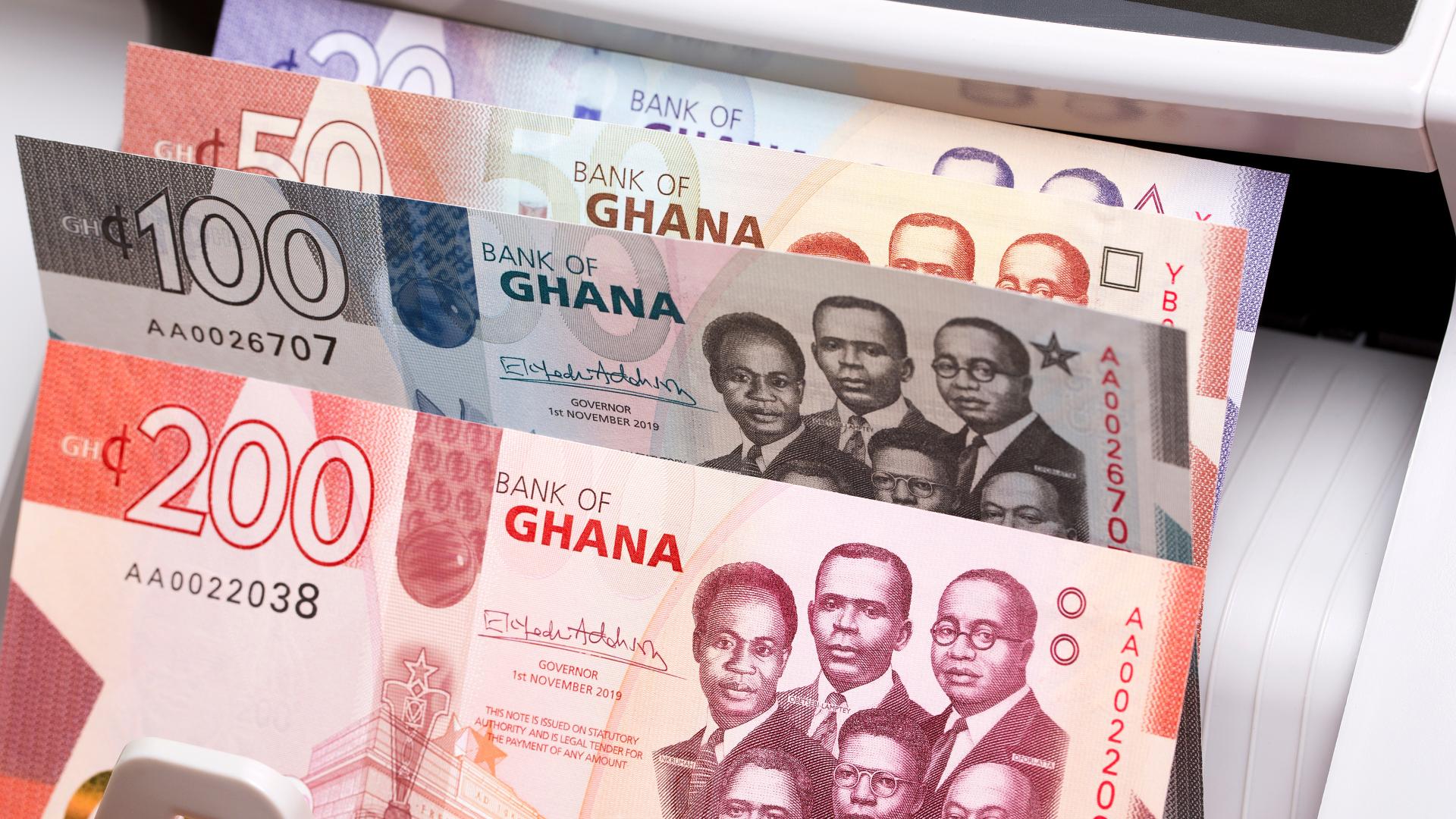

Ghana’s manufacturing sub-sector recorded strong growth in July 2025, supported by higher direct tax collections and increased pension contributions, according to the Bank of Ghana’s September 2025 Monetary Policy Report. The central bank noted that the improvement reflected expanding formal sector activity and rising industrial output, indicating renewed momentum in the country’s post-pandemic economic recovery.
Total direct tax collections rose by 14.8% year-on-year to GH¢5.27 billion in July 2025, compared with GH¢4.59 billion in the corresponding month of 2024. Cumulatively, direct tax receipts for the first seven months of the year reached GH¢47.59 billion, representing a 26.2% increase over the same period last year. The Bank attributed this performance to stronger compliance measures, enhanced tax administration, and increased profitability across major sectors, particularly manufacturing and services.
A breakdown of the figures showed that income tax accounted for 43% of total direct tax collections, while corporate tax contributed 35.8%, and other sources, including capital gains and property taxes, made up 21.2%. The rise in corporate tax receipts was particularly notable, suggesting that firms in the manufacturing and industrial sectors have seen improved earnings and capacity utilisation.
The report also highlighted growth in private sector workers’ contributions to the SSNIT Tier-1 Pension Scheme, which rose by 8.6% year-on-year to GH¢513.34 million in July. Cumulative contributions for the first seven months of 2025 increased by 22.6% to GH¢3.48 billion. This growth, the Bank noted, reflects expanding formal employment and improved wage structures in key sectors of the economy, including manufacturing, trade, and services.
However, the construction sector experienced a slowdown during the period. Construction activity declined by 10.7% year-on-year, mainly due to reduced cement demand, as total cement sales fell to 212,735 tonnes in July. Despite the monthly contraction, cumulative sales for the first seven months of 2025 were up by 2.8%, indicating that activity in the sector, while uneven, remains positive on a broader scale.
Industrial energy consumption provided further evidence of improving economic activity. Industrial electricity use increased by 11.6% in July compared to the same month in 2024, signalling stronger manufacturing and processing activity. The Bank of Ghana interpreted this rise as a sign of enhanced capacity utilisation and production output, supported by greater stability in energy supply and business confidence.
Overall, the combination of higher tax revenues, increased pension contributions, and growing industrial energy demand points to a more resilient manufacturing sub-sector and a gradual broadening of Ghana’s economic base. Nonetheless, the central bank cautioned that the sustainability of this growth would depend on maintaining fiscal discipline, improving infrastructure, and ensuring continued access to credit for businesses.
With inflation easing and the cedi showing relative stability in recent months, analysts believe the positive momentum in manufacturing could extend into the final quarter of the year, provided external conditions remain favourable. The Bank’s report underscores the importance of maintaining policy consistency and supporting productive investment to consolidate the gains recorded in Ghana’s industrial and manufacturing sectors.