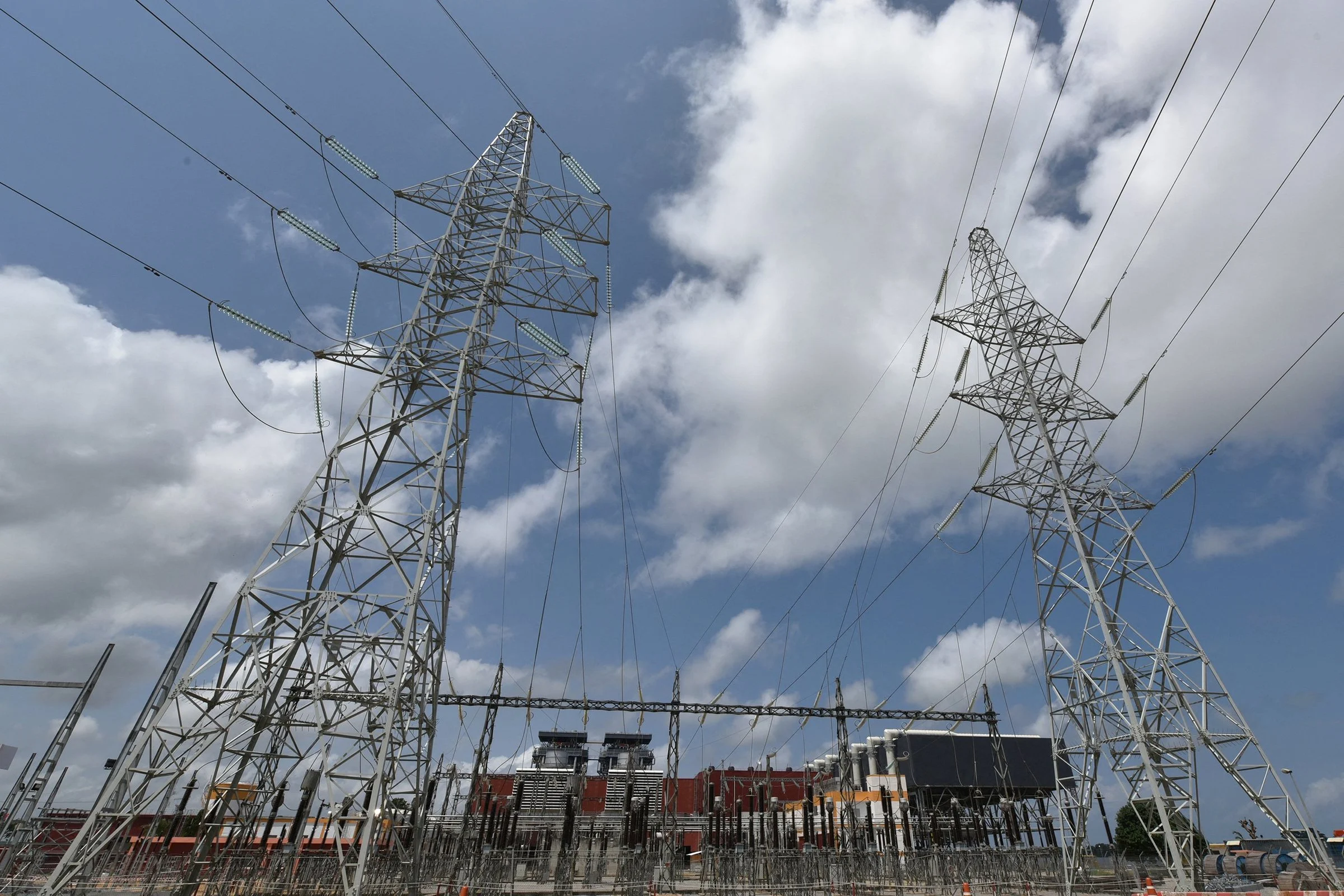

The government of Côte d’Ivoire has launched an aggressive maintenance and expansion program to stabilize the national power grid following a series of disruptive outages in Abidjan and surrounding areas. Attributing the disruptions to rapid urban population growth and record-high temperatures, authorities have committed 700 billion CFA francs to modernize the country’s ageing electricity infrastructure. The intervention includes the replacement of 100 kilometers of weakened transmission cables and the installation of 250 new distribution stations nationwide. For the Ivorian economy—the largest in the Francophone West African region—maintaining power reliability is critical for sustaining its industrial output and regional role as a major electricity exporter.
This infrastructure push aligns with President Alassane Ouattara’s vision to position energy resources as a primary pillar of economic development. While Côte d’Ivoire has one of the highest electrification rates in West Africa, the current strain on the grid highlights the gap between generation capacity and last-mile distribution reliability. From a business journalism perspective, the investment is essential for protecting the productivity of the manufacturing and services sectors, which drive the nation’s 6% annual demand growth. The recent commissioning of a new transformer in Angré is a tactical move to improve voltage stability for thousands of households and small businesses, reducing the “hidden costs” associated with equipment damage from frequent power surges.
Looking forward, the government targets universal electricity access by 2030, a goal that requires mobilizing an estimated $2 billion in private investment. The current 700 billion CFA commitment serves as a foundation for this broader strategy, which also includes diversifying the energy mix toward 45% renewables. For regional trade, a stable Ivorian grid is vital for the West African Power Pool (WAPP), as any significant failure in Abidjan can have cascading effects on neighboring countries that rely on Ivorian exports. Ensuring the resilience of this infrastructure is therefore not just a domestic welfare issue, but a critical component of regional economic integration and energy sovereignty.