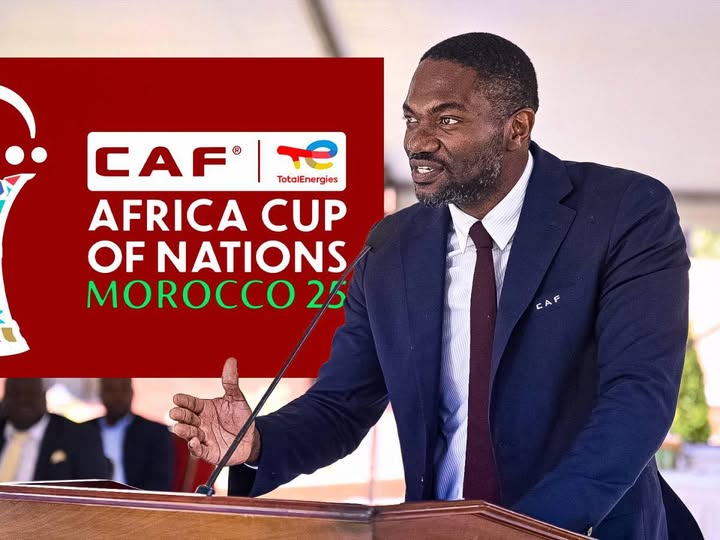

The Confederation of African Football (CAF) has appointed Samson Adamu as its Acting Secretary-General, marking the first time a Nigerian has held the position in 69 years. The appointment, confirmed on Friday, places Adamu at the helm of the continent’s football administration during a critical period as African football seeks to enhance its global competitiveness and commercial viability. His elevation represents both a recognition of Nigerian administrative capability within continental sports governance and an opportunity to shape policies that affect the multi-billion-dollar African football economy.
Adamu, who previously served as CAF’s Director of Football Development, brings extensive experience in football administration and sports management to the role. His appointment fills a position that has remained elusive for Nigerian officials since the organisation’s early years, reflecting a shift in the continental body’s leadership dynamics. The development comes as CAF undertakes governance reforms aimed at improving transparency, operational efficiency, and financial sustainability following years of administrative challenges that have occasionally deterred corporate sponsors and broadcast partners.
From an economic perspective, the appointment carries implications beyond sports administration. Football represents one of Africa’s most significant entertainment and commercial sectors, generating substantial revenue through broadcasting rights, sponsorship agreements, ticket sales, and merchandising. CAF’s flagship tournaments, including the Africa Cup of Nations and the TotalEnergies CAF Champions League, attract global viewership and drive economic activity across host nations through tourism, hospitality, and infrastructure development. The Secretary-General plays a pivotal role in negotiating broadcast deals, securing sponsorship commitments, and overseeing the financial management of these properties.
For Nigeria, Adamu’s appointment offers strategic advantages. As Africa’s most populous nation and a major football market, Nigeria contributes substantially to CAF’s broadcast audiences and commercial appeal. Having a Nigerian in the continent’s top administrative position could facilitate greater alignment between CAF’s strategic direction and the interests of Nigeria’s football ecosystem, including the Nigeria Football Federation, domestic leagues, and the country’s pool of international talent. The position also provides Nigeria with enhanced diplomatic leverage within continental sports governance, potentially influencing decisions on tournament hosting rights, competition formats, and development funding allocations.
The 69-year gap since a Nigerian last held the position underscores the competitive nature of CAF’s administrative appointments, which have historically drawn from a limited pool of countries with established football governance structures. Adamu’s rise through CAF’s ranks suggests a recognition of his technical competence and diplomatic acumen, qualities essential for navigating the complex political landscape of continental sports administration. His background in football development positions him to prioritise grassroots growth, coaching education, and talent identification—areas where Nigeria and other African nations seek to build sustainable pipelines for professional competition.
Looking ahead, Adamu assumes the role at a time when African football faces both opportunities and challenges. The continent’s football infrastructure requires continued investment to meet international standards, while commercial partnerships must be expanded to capture greater value from Africa’s growing youth population and increasing engagement with digital platforms. The acting secretary-general will also be expected to support CAF’s ongoing efforts to modernise competition management, enhance anti-corruption measures, and ensure that revenues from football activities are equitably distributed among member associations.
As Adamu settles into the position, the Nigerian football community will watch closely for outcomes that benefit domestic football development. Enhanced technical assistance, improved access to CAF development programmes, and support for club licensing and stadium modernisation are among the areas where Nigerian football stakeholders anticipate positive engagement. For the broader continent, the appointment signals that African football administration is becoming more inclusive, drawing on talent from across the region rather than concentrating leadership within a small group of countries.