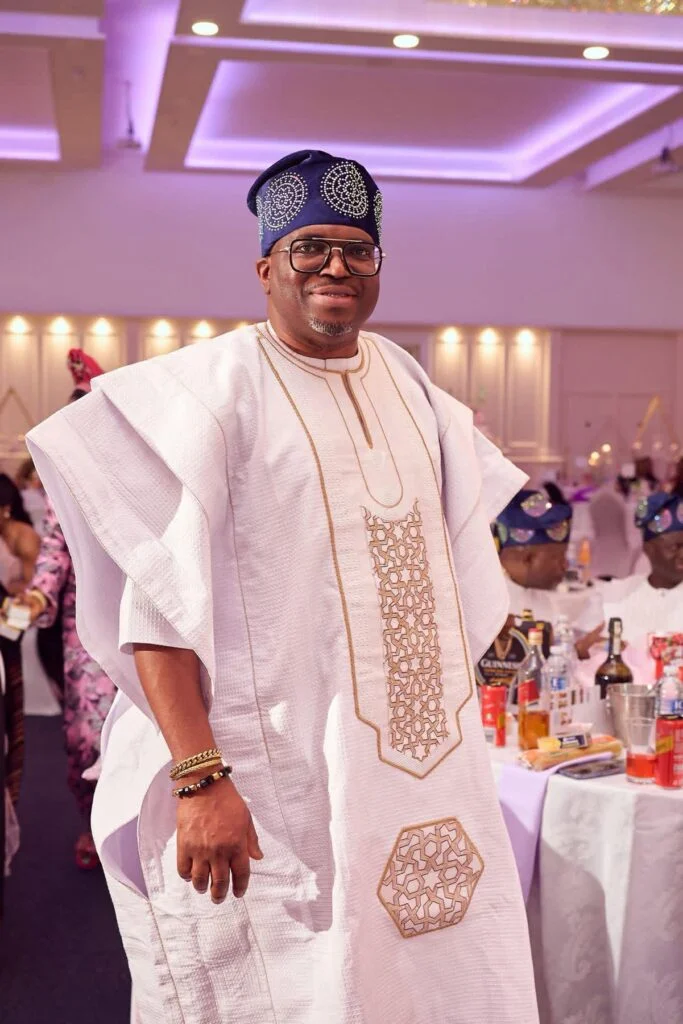

Mr. Victor Ikoli, a prominent Communications Strategist and former President of the Nigerians in Diaspora Organisation (NiDO) in Qatar, has lauded Ghanaian President John Mahama for his pivotal role in securing a landmark United Nations Resolution. The resolution officially designates the transatlantic slave trade as the “gravest crime in human history,” a move Ikoli describes as a fundamental demand for global accountability and historical clarity.
The UN passed this resolution during the 2026 International Day of Remembrance of the Victims of Slavery and the Transatlantic Slave Trade. In a telephone interview on Saturday, Ikoli emphasized that President Mahama’s advocacy transcends mere symbolism. He argued that the modern world’s wealth and power structures rest upon an atrocity so vast that its effects still dictate global identity and economic disparities today.
For reparations to carry real weight, Ikoli suggested they must move beyond the narrow idea of cash payments and focus on four transformative areas. First is a global admission that the slave trade was a deliberate economic system designed to enrich specific nations while devastating others. This must be followed by institutional redress, which involves meaningful investment in African education, technology, and cultural institutions framed not as “foreign aid,” but as restitution for centuries of extraction.
The third pillar focuses on diaspora reconnection, creating pathways for millions whose histories were violently severed to rediscover their identities and move more freely between continents. Finally, Ikoli called for essential policy-level changes, including comprehensive debt relief and the dismantling of global economic structures that still echo colonial hierarchies.
Reflecting on the long-term impact of the trade, Ikoli noted that the forced removal of millions of young, able-bodied Africans derailed the continent’s natural development long before formal colonialism began. He suggested that Africa’s modern-day challenges are not the result of inherent weaknesses but are the consequences of a profound “interruption” of its civilization. Without this sustained extraction, he believes the continent’s path would have resembled other ancient civilizations that were allowed to evolve without such disruption.
While acknowledging the immense loss, Ikoli highlighted that Africa’s narrative is also defined by endurance and a global cultural influence that continues to shape the world. He concluded that the current dialogue surrounding reparations is not about dwelling on the past, but about removing the persistent structural barriers left by history to make space for a more equal future.