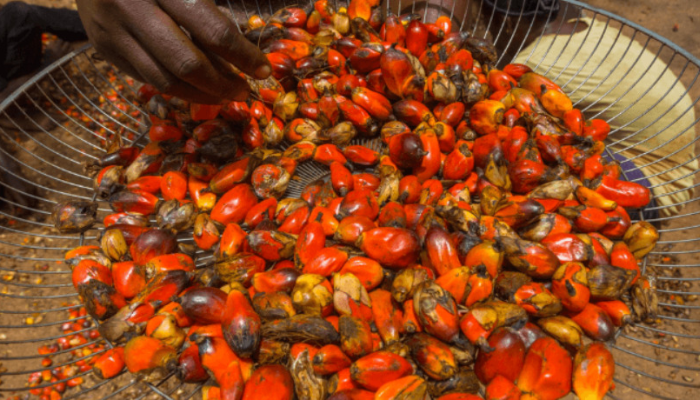

Malaysia’s exports to Nigeria grew by 20.7 percent in 2025, reaching $664 million and reflecting strengthening bilateral trade ties between the two nations, according to data from the Malaysia External Trade Development Corporation (MATRADE). The growth was largely driven by increased exports of palm oil and palm oil-based agricultural products, which rose by 33.7 percent during the period.
Other significant contributors to export growth included transport equipment, which surged by 1,260 percent; machinery, equipment and parts, up 44.8 percent; and processed food, which increased by 28.1 percent. Malaysia’s main imports from Nigeria were agricultural products (54.7 percent), petroleum products (22.9 percent), metalliferous ores and metal scrap (10.3 percent), and crude petroleum (4.3 percent).
Total bilateral trade between Malaysia and Nigeria reached $1.23 billion in 2025, making Nigeria Malaysia’s fourth-largest trading partner in Africa and 43rd globally. Malaysian High Commissioner to Nigeria, Aiyub Omar, said the sustained trade growth provides a strong foundation for deeper economic and strategic cooperation.
Omar noted that Malaysian companies are contributing not only through exports but also via services and expertise, particularly in Nigeria’s priority sectors such as palm oil development. Malaysian firms are currently involved in managing approximately 151,800 hectares of oil palm plantations in Nigeria through Build-Operate-Transfer arrangements, plantation management, infrastructure development, technical services, and technology transfer. This collaboration supports Nigeria’s ambition to become a major global palm oil producer.
The High Commissioner identified the halal industry as another key area of collaboration, aligning with Nigeria’s efforts to develop its national halal ecosystem. Malaysia’s global halal exports were valued at $13.43 billion in 2024 and are projected to reach $18.98 billion by 2030. The Malaysia International Halal Showcase (MIHAS), scheduled for 23–26 September 2026, is expected to serve as a platform to boost trade and investment.
Jude Bryan Dass, Counsellor (Trade) at MATRADE Lagos, said Nigerian participation in MIHAS is expected to rise in 2026 following strong interest from West African buyers in the 2025 edition. He also identified healthcare services, particularly medical tourism, as another promising area for collaboration, noting that Nigerians spend between $1.5 billion and $3 billion annually on medical tourism in destinations including India, the United Arab Emirates, and the United Kingdom. Malaysia, with 194 private hospitals and competitively priced healthcare services, aims to capture a share of this market, with its medical tourism industry projected to grow to $2 billion by 2030.