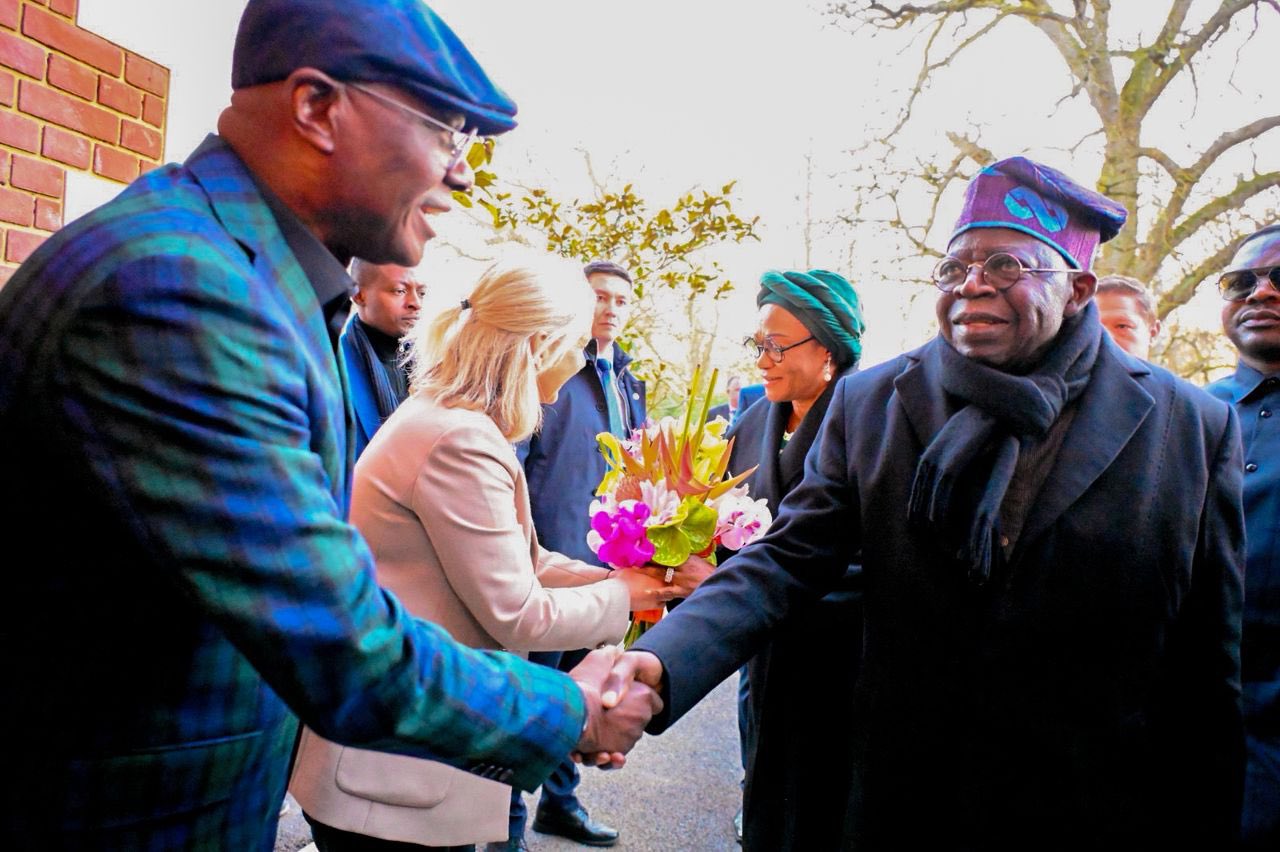

King Charles III will host President Bola Ahmed Tinubu for the first Nigerian state visit to the United Kingdom in 37 years, marking a renewed push to strengthen bilateral ties between both nations. Tinubu and First Lady Oluremi Tinubu will receive a ceremonial welcome at Windsor Castle, including a carriage procession, military parade, and a state banquet attended by senior royals including Queen Camilla and the Prince and Princess of Wales.
The visit is aimed at deepening cooperation in trade, finance, and defence, with Nigerian officials framing it as a shift toward a modern economic partnership. Discussions are expected to focus on investment opportunities, trade facilitation, and security collaboration, areas where both countries see mutual benefit. Religious considerations mean some traditions, such as a formal lunch, will be adjusted due to Ramadan.
Beyond ceremony, the visit comes amid significant security challenges in Nigeria’s Sahel region and wider geopolitical tensions, underscoring its diplomatic significance as both nations seek stronger economic and strategic alignment. For Nigeria, the state visit provides an opportunity to present the country as an attractive investment destination following recent economic reforms, including foreign exchange liberalisation and fuel subsidy removal.
The United Kingdom remains one of Nigeria’s largest trading partners, with significant investments in oil and gas, financial services, and manufacturing. Nigerian students and professionals form a substantial part of the UK’s diaspora community, contributing to educational institutions and the workforce. A strengthened partnership could unlock additional investment flows, technical cooperation, and trade expansion.
For the UK, Nigeria represents Africa’s largest economy and a gateway to West African markets. Post-Brexit trade strategy has emphasised deepening relationships with Commonwealth partners, and Nigeria features prominently in that calculus. The state visit signals mutual commitment to moving beyond historical ties toward a forward-looking economic relationship.
The visit also carries symbolic weight, being the first by a Nigerian leader since 1989. It reflects improved diplomatic engagement and recognition of Nigeria’s growing importance on the continental and global stage. The Tinubu administration has prioritised economic diplomacy as a tool for attracting investment and building strategic partnerships.